 India criticises Pakistan’s remarks at UN.
  A Tetris-Like Maze Blocks Protests in Pakistan’s Capital
  At Summit, Xi Sought to Tilt Trump’s Stance on America’s Place in Asia
  Trump Rejects Iran’s 7-Day Hormuz Plan: Strait Reopening Deal Hits Roadblock Amid US-Iran Tensions
  Trump administration uses rare authority to claw back nearly $1B in spending approved by Congress
 US Court Rules Meta, TikTok Can Face Thousands of Lawsuits
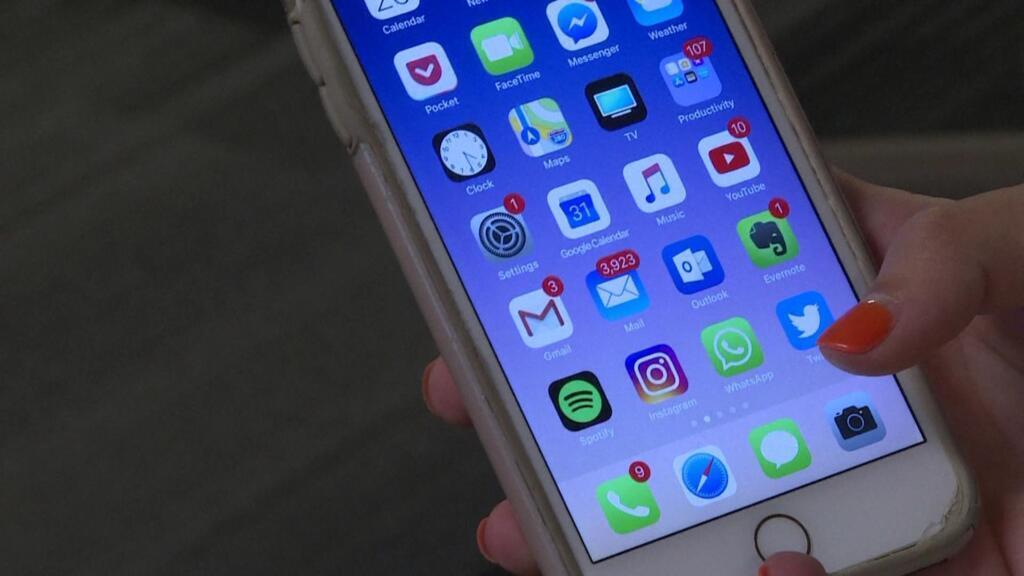
US Court Rules Meta, TikTok Can Face Thousands of Lawsuits - AI News Breaking
court rules meta tiktok:
US Court Rules Meta, Other Tech Companies Must Face Thousands of Lawsuits over Social Media Addiction In a significant ruling, a US court has cleared the way for thousands of lawsuits against Meta, the parent company of Facebook and Instagram, as well as TikTok, to proceed. The decision paves the way for the cases to go to trial, where plaintiffs allege that the companies have failed to protect their users, particularly young people, from the dangers of social media addiction. The court ruling is a major defeat for Meta, which had been seeking to have the suits dismissed.
The lawsuits, which have been filed on behalf of thousands of individuals and families, claim that Meta and other tech companies have known about the addictive nature of their platforms for years but have taken little to no action to mitigate the problem. The plaintiffs argue that the companies have put profit ahead of safety, allowing their algorithms to prioritize engagement and advertising revenue over the well-being of their users. The companies have been accused of deploying manipulative tactics, including infinite scrolling and endless notification systems, to keep users hooked.
The ruling by the 9th Circuit Court of Appeals reverses a decision by a lower court, which had sought to dismiss the cases on the grounds that the plaintiffs had failed to prove that the companies had knowingly engaged in deceptive practices. The appeals court rejected this argument, holding that the plaintiffs had presented sufficient evidence to move forward with their claims. The court also noted that the companies had a responsibility to protect their users, particularly children and young adults, from the potential harm caused by social media addiction.
The decision is a significant blow to Meta’s efforts to shield itself from scrutiny over its business practices. The company has faced criticism and regulatory scrutiny in recent years over its handling of user data and its use of manipulative tactics to keep users engaged. This court ruling adds fuel to the growing debate over the impact of social media on society and the responsibility of tech companies to protect their users.
TikTok, which has rapidly become one of the most popular social media platforms in the world, was also a defendant in the lawsuits. The company has claimed that it has taken steps to protect its users, including introducing features such as Digital Wellbeing to help users track and limit their screen time. However, the plaintiffs argue that these efforts are insufficient and that the company continues to prioritize engagement over user safety.
The lawsuits were filed in federal court in Northern California and have been consolidated into a single case. The case is set to go to trial in the coming months, where the companies will face allegations that they have engaged in deceptive and manipulative practices. The outcome of the trial could have significant implications for the social media industry, with potentially billions of dollars in damages at stake.
In a statement, Meta’s lawyers said that the company was disappointed by the ruling and would continue to fight the lawsuits. The company has argued that the plaintiffs’ claims are unfounded and that the company is not responsible for the actions of its users. However, the court’s decision suggests that the company may have a difficult time convincing a jury that it acted with due care.
The court’s ruling has been welcomed by advocates for social media addiction awareness and regulation. This is a significant victory for the thousands of families who have been affected by social media addiction, said one advocate. It’s a reminder that tech companies have a responsibility to protect their users and that they cannot put profits ahead of people’s safety.
The case is just the latest in a series of high-profile lawsuits and regulatory actions aimed at social media companies. In recent years, lawmakers and regulators in the US and Europe have called for greater regulation of the industry, citing concerns over the spread of misinformation, the exploitation of user data, and the harm caused by social media addiction. In a statement, a spokesperson for the US Senate Committee on Commerce, Science, and Transportation said that the committee would be paying close attention to the case.
The Senate Committee on Commerce, Science, and Transportation is committed to protecting Americans from the dangers of social media addiction, said the spokesperson. We will continue to work with lawmakers and advocates to ensure that tech companies are held accountable for their actions. The decision comes as social media addiction is becoming increasingly recognized as a serious public health issue.
Studies have shown that excessive social media use can lead to a range of negative effects, including depression, anxiety, and decreased attention span. Parents and educators have long been concerned about the impact of social media on young people, who are often vulnerable to the manipulative tactics used by social media platforms. As the case against Meta and TikTok moves forward, the companies are likely to face intense scrutiny over their business practices.
The outcome of the trial could have significant implications for the future of the social media industry, with potentially far-reaching consequences for the companies involved. The ruling is a significant development in the growing debate over social media addiction and the responsibility of tech companies to protect their users. As the case moves forward, advocates and lawmakers will be watching closely to see whether the plaintiffs are able to prove their claims and hold the companies accountable for their actions.
Updated: August 11, 2026
A US court has ruled that thousands of lawsuits against Meta, TikTok, and other tech companies can proceed, alleging that they have failed to protect users from social media addiction. The cases, filed on behalf of thousands of individuals and families, claim the companies prioritised profit over user safety.
This ruling marks a significant turning point in the tech industry’s accountability, forcing Meta and other companies to acknowledge the very real consequences of their business models. As the trial unfolds, the spotlight will shine on the delicate balance between profit and people’s well-being, raising essential questions about the true cost of our digital addiction.