Europe warns of Russia’s hybrid attacks but struggles to counter them
  Former chief election commissioner calls SIR scheme illegal.
  A Corruption Scandal Is Reshaping Brazil’s Presidential Election
  US citizen injured in Illinois after ICE agents mistook him for fugitive, tried to arrest him
  At 10 years old, Smithsonian’s Black museum is undaunted amid pressure from Trump administration
 US-Iran Clashes Threaten Global Economic Security Via Strait of Hormuz Disruptions
** The US-Iran conflict in the Strait of Hormuz imperils global economic security, regional stability, and international relations. The rising tensions pose a risk to global oil supplies, economies, and the stability of critical industries worldwide.
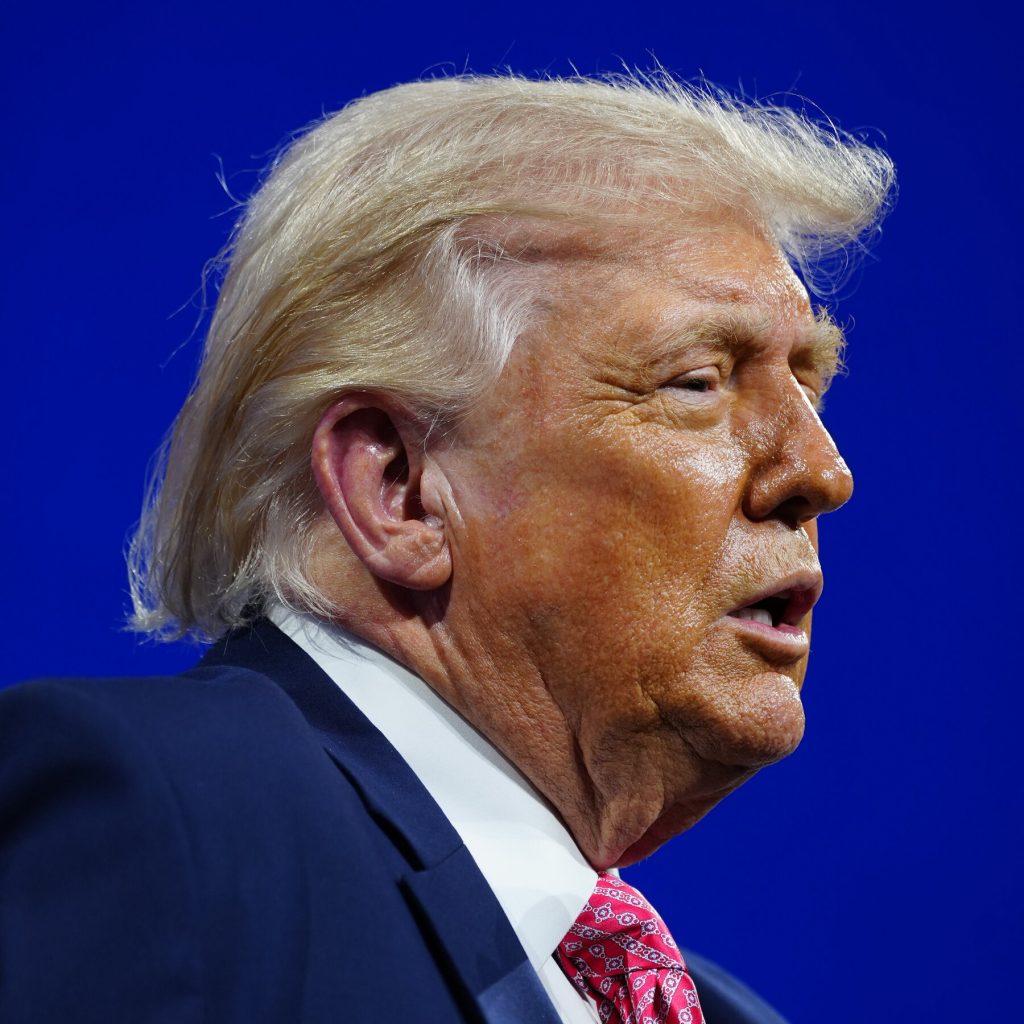
usiran clashes threaten global:
The US-Iran ceasefire remains in a precarious state following an exchange of fire in the Strait of Hormuz.
The escalating tensions pose significant threats to regional security and the global economy.
Updated: May 8, 2026
The US-Iran ceasefire remains in a precarious state following an exchange of fire in the Strait of Hormuz. The escalating tensions pose significant threats to regional security and the global economy.
After an exchange of fire in the Strait of Hormuz, Iran has accused the US of violating the ceasefire agreement, citing a targeted attack on an oil tanker and coastal areas. This development increases the risk of further instability in the region.
Impact Analysis:
The situation in the Strait of Hormuz has the potential to disrupt global oil supplies, exacerbating existing economic concerns. The escalation of tensions will likely:
– Drive up oil prices, further straining already fragile global economies.
– Increase the costs of shipping and trade, weighing heavily on industries reliant on global supply chains.
– Pose a significant challenge to regional economic development, particularly in countries heavily reliant on international trade.
Broader Implications:
The consequences of the US-Iran conflict extend far beyond the regional economy:
– The ongoing instability in the Middle East may lead to a significant increase in global military spending, diverting resources away from critical domestic infrastructure and social programs.
– The escalation of tensions may also prompt retaliatory cyber-attacks, potentially targeting critical infrastructure and exacerbating economic strain.
– Furthermore, the conflict may undermine international agreements and institutions, threatening global stability and further increasing the risk of economic contagion.
Forward-Looking Insights:
The US-Iran conflict represents a low-intensity, high-stakes standoff with far-reaching implications. As tensions continue to escalate, it is essential to:
– Monitor oil prices and shipping industries for signs of escalating costs and disruptions.
– Assess the potential fallout on regional economies, particularly those in the Middle East.
– Prepare for potential retaliatory cyber-attacks and develop strategies to mitigate their impact.
– Evaluate the long-term implications of the conflict on global stability, security, and economic development.
This latest exchange of fire in the Strait of Hormuz suggests that the fragile ceasefire between the US and Iran is hanging by a thread – a single misstep could plunge the region into chaos, exposing the vulnerability of a global economy built on thin trade lines.
It’s not just about the oil supplies; it’s about the very fabric of global stability, where even minor disruptions can have ripple effects
This is a developing story. More updates will follow as new information becomes available.