Pond heron found dead in Coimbatore tests positive for avian influenza
 Pakistan’s leaders hail first astronaut aboard Chinese craft: ‘Proud one of us has gone into space’
 British tourist travels 29 hours from Mumbai to Amritsar for ₹5,461, rates Indian Railways 10/10 | Viral video
 The Supreme Court will decide whether assault weapons bans violate the Second Amendment
 A Critic of Beijing Falls Short in Taiwan’s Key Mayoral Election
US wholesale price index falls 0.2% in June
**
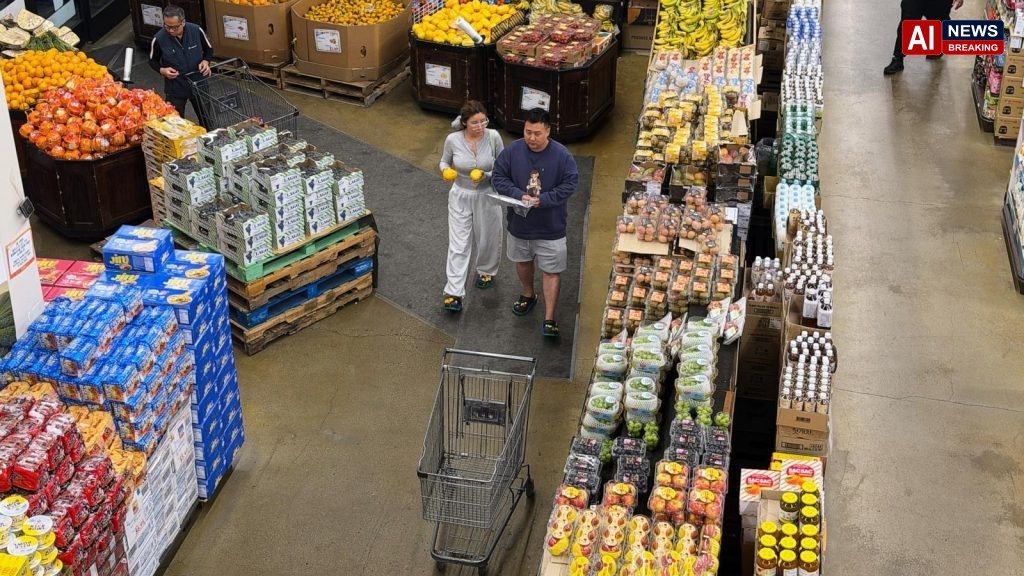
Wholesale inflation declined last month yet remains stubbornly elevated - AI News Breaking
Wholesale prices in the United States fell modestly in June, but the decline was far from dramatic, leaving the overall inflation picture still decidedly elevated. The latest data from the Bureau of Labor Statistics showed a 0.2 percent drop in the wholesale price index (WPI) from May, bringing the year‑over‑year growth rate to 3.1 percent – a level that remains well above the Federal Reserve’s long‑term target of 2 percent. Economists had hoped for a sharper slowdown after a string of higher‑than‑expected readings earlier in the year, yet the figures suggest that price pressures are proving more tenacious than many anticipated.The modest easing came largely from a dip in the cost of manufactured goods, where the index slipped 0.3 percent..
However, this was largely offset by a 0.4 percent rise in the price of fuel and energy, a category that has been a persistent source of volatility throughout the pandemic and post‑pandemic recovery. The energy component, which includes gasoline, diesel and other petroleum products, has been buoyed by geopolitical tensions in Eastern Europe and supply constraints in key producing regions. Analysts note that while the headline decline may appear encouraging, the underlying dynamics point to a split between sectors that are finally feeling the impact of a cooling demand and those still being driven by external shocks.The wholesale price index is closely watched because it provides an early signal of price movements that may eventually filter through to consumers..
A slower rise in wholesale prices typically precedes a deceleration in consumer price inflation, giving the Federal Reserve more leeway to consider easing its monetary tightening cycle. Yet the current reading, still above the 2 percent benchmark, implies that the central bank may need to maintain higher rates for longer than previously projected. The Fed’s policy rate currently sits at 5.25‑5.50 percent, a level not seen since the early 2000s, and policymakers have repeatedly warned that premature rate cuts could reignite inflationary pressures.The persistence of elevated wholesale inflation has also become a political flashpoint..
In the weeks leading up to the midterm elections, Democratic candidates leveraged the data to underscore the administration’s handling of the economy, arguing that high prices continue to erode household purchasing power. In several swing states, voter sentiment polls indicated that concerns over rising food and energy costs were among the top issues influencing voter choices. While the modest dip in the index offered a brief reprieve, the overall narrative of “inflation still too high” resonated strongly with the electorate, contributing to notable gains for Democrats in traditionally competitive districts.Conversely, Republican strategists have framed the same data as evidence that the Federal Reserve’s aggressive rate hikes are finally taking effect, arguing that the modest slowdown demonstrates the effectiveness of a tougher monetary stance..
They contend that further reductions in wholesale price growth could eventually translate into lower consumer prices, providing a pathway for economic relief. Nonetheless, critics on the left point out that the benefits of such a slowdown are unevenly distributed, with lower‑income households still bearing the brunt of higher energy and food costs.Industry observers note that the manufacturing sector, which accounted for the bulk of the decline, is experiencing a mix of easing input costs and lingering supply‑chain constraints. The price of intermediate goods such as steel, aluminum and plastic components fell modestly, reflecting a combination of reduced demand from the auto industry and improved availability of raw materials..
Yet the sector remains vulnerable to potential disruptions, particularly if global shipping bottlenecks re‑emerge or if further geopolitical events curtail the flow of critical inputs. Companies are cautiously optimistic, but many are warning that any resurgence in raw‑material prices could quickly reverse the modest gains seen this month.The energy segment, by contrast, continues to be shaped by forces largely beyond domestic policy control. Recent announcements from OPEC+ regarding production cuts, alongside sanctions on Russian oil exports, have kept global oil prices near the $90‑per‑barrel range..
While the United States has increased its strategic petroleum reserve releases to temper domestic fuel prices, the impact has been limited. Analysts predict that unless there is a substantive de‑escalation of the conflict in Ukraine or a decisive shift in global production quotas, energy‑related wholesale prices may remain sticky, exerting upward pressure on the overall index.From a broader macroeconomic perspective, the data underscores the delicate balance the United States faces between curbing inflation and sustaining growth. The labor market remains tight, with unemployment hovering around 3.6 percent, and wage growth still outpacing price increases in many sectors..
This dynamic can create a feedback loop where higher wages fuel further price rises, complicating the Federal Reserve’s mandate. The modest decline in wholesale inflation suggests that the economy is not overheating, but it also signals that the underlying price pressures have not been fully neutralised.Looking ahead, economists expect the wholesale price index to inch lower in the coming months, but they caution that the path is unlikely to be linear. Seasonal factors, such as the upcoming back‑to‑school period and the traditional summer travel surge, could introduce temporary spikes in specific categories..
Moreover, the Federal Reserve’s upcoming policy meetings will be closely scrutinised for any hints of a shift in stance. If the central bank signals a willingness to pause or even cut rates, markets may respond with optimism that could translate into higher demand and, consequently, upward pressure on prices.In the meantime, households continue to feel the impact of the lingering inflationary environment. A recent survey by the Federal Reserve Bank of New York found that 62 percent of consumers say rising prices are a major concern, with energy and food items topping the list of costly goods..
While the modest dip in the wholesale price index offers a glimmer of hope that inflation may be on a gradual retreat, the overall picture remains one of caution. Policymakers, businesses and voters alike are watching the numbers closely, aware that even a small change in the trajectory of wholesale prices can set the tone for the broader economy and the political landscape in the months ahead..
Updated: November 13, 2026
A tepid dip in wholesale prices merely postpones the Fed’s dilemma, forcing policymakers to balance stubborn energy‑driven inflation against the political cost of prolonged high rates.
Meanwhile, the uneven relief for consumers underscores how any future rate easing could reignite price pressures, making the next policy signal a pivotal market catalyst.