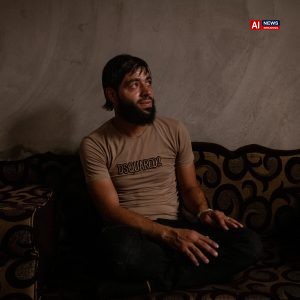
 Freed From a Notorious Syrian Prison, but Still Trapped by Its Terror
 BJP slaps ‘anti-women’ label on Rahul Gandhi, Congress
 Moving bike, one-handed catch: Pakistani man wins Rs 10,000 cash prize
 Danny Trejo Says He Tried to Exit Daily Wire’s Pro-ICE Film ‘Pawn Shop’ But Was Told They’d ‘Sue the Hell Out of Me’
 Pond heron found dead in Coimbatore tests positive for avian influenza
Freed From a Notorious Syrian Prison, but Still Trapped by Its Terror
**
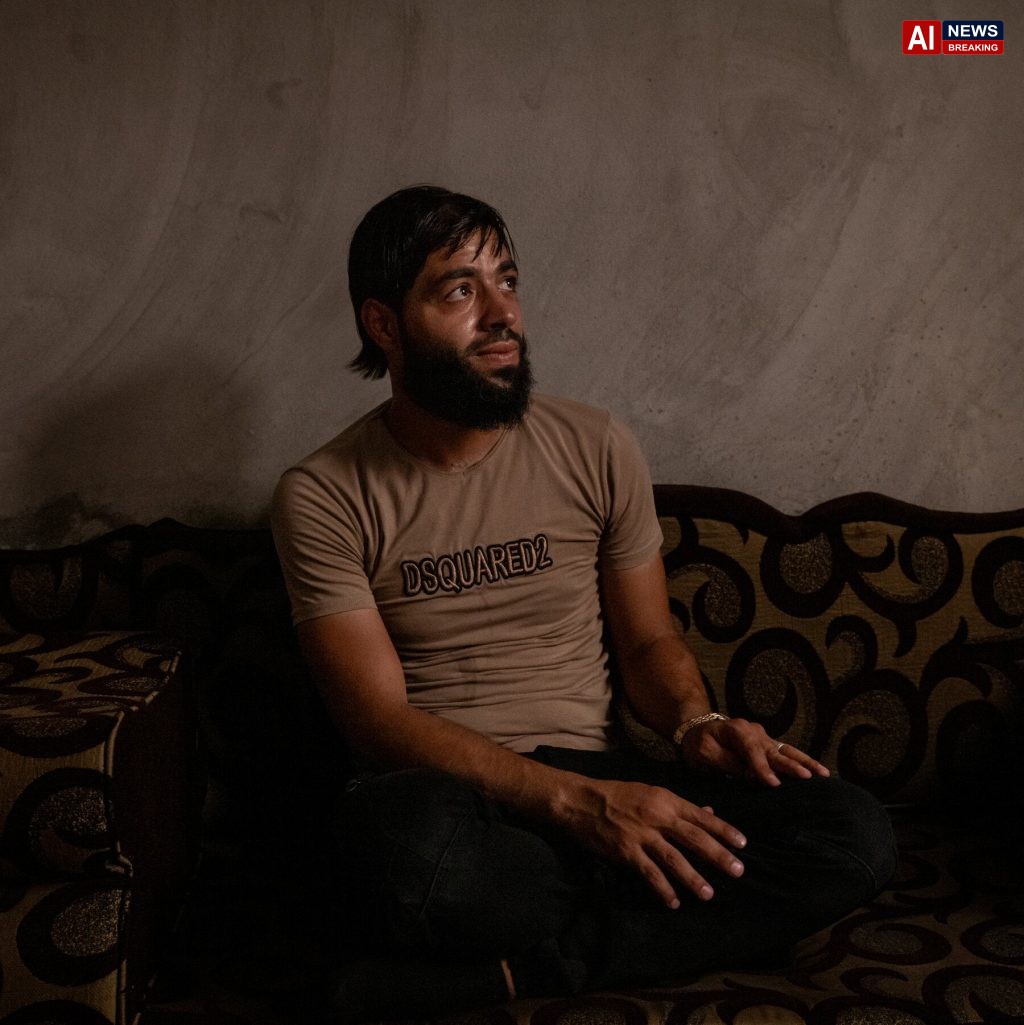
Freed From a Notorious Syrian Prison, but Still Trapped by Its Terror - AI News Breaking
freed notorious syrian prison:
Freed From a Notorious Syrian Prison, but Still Trapped by Its Terror Ahmed al‑Shalh’s name was once synonymous with the bleak fate that awaited many detainees at Sednaya, a high‑security facility near Damascus known for its brutal conditions and a reputation for never releasing its inmates. Sentenced in 2013 on vague charges of “terrorism” during a period of intense civil war, he spent ten years confined in a cell where sunlight was a memory and the sound of distant gunfire was a constant reminder of the conflict outside. The international community had long listed Sednaya among the world’s worst prisons, yet few could have imagined the day when al‑Shalh would walk out its gates alive..
When the prison doors finally opened in early 2023, al‑Shalh emerged into a world that had moved on without him. The streets of his hometown, once familiar, now bore the scars of renewed fighting and reconstruction. He was met by a small crowd of relatives, among them his younger sister, who clutched a photograph of a woman he had never seen – his future wife, whose family had arranged the marriage during his imprisonment..
The ceremony, held under a modest tent, was as much an act of hope as it was a cultural necessity, binding al‑Shalh to a life he had been denied for a decade. The first months after his release were a whirlwind of adjustments. Al‑Shalh was granted a modest stipend by a government‑run reintegration program, intended to help former detainees find housing and employment..
Yet the stipend barely covered rent for the cramped flat he shared with his sister and her three children. The job market, still crippled by sanctions and war, offered only low‑pay manual labour, and his criminal record—an indelible mark of “terrorist affiliation”—closed doors to any respectable work. In this precarious economic landscape, the promise of a stable future seemed as fragile as the cracked walls of his new home..
Amid the financial strain, al‑Shalh found a source of solace in his new role as a husband. His wife, Leila, a schoolteacher from a neighboring village, had never met him in person, but their correspondence during his incarceration had built a bond of shared longing and mutual support. Their wedding night was less a celebration than a quiet affirmation of survival, a momentary escape from the memories that haunted the periphery of his mind..
Their early days together were marked by simple rituals—shared tea, whispered prayers for safety, and plans for a child that seemed both a miracle and a responsibility. The birth of their son, Youssef, in the summer of 2024, was the pinnacle of al‑Shalh’s post‑prison life. Holding the infant for the first time, he felt a surge of protective instinct that eclipsed the lingering dread of his past..
Yet even as joy filled the small apartment, the shadows of Sednaya lingered. Nightmares of cramped cells, forced labor, and the echo of distant explosions invaded his sleep, leaving him exhausted and irritable. Leila, aware of his trauma, encouraged him to seek counseling, but access to mental health services remained limited in a country where resources are stretched thin..
The psychological toll of ten years in Sednaya manifested in ways that went beyond sleeplessness. Al‑Shalh reported flashbacks triggered by the sound of distant artillery, a common occurrence in his war‑torn region. He became hyper‑vigilant, checking doors and windows repeatedly, and sometimes recoiled from the simple act of stepping outside, fearing surveillance or sudden arrest..
Neighbours, many of whom had also lost relatives to the prison, noticed his withdrawn demeanor, yet few felt equipped to intervene without risking their own safety in a climate of lingering mistrust toward authorities. Compounding his personal struggle was the broader political context. International human‑rights organisations continue to document systematic abuses at Sednaya, including extrajudicial killings and torture..
While al‑Shalh’s unexpected release was hailed as a rare gesture of goodwill by the Syrian government, activists argue it was a tactical move aimed at easing external pressure rather than a genuine reform. The lack of a transparent legal process for his original conviction leaves lingering questions about accountability and the possibility of future arrests for those deemed “politically inconvenient.” For al‑Shalh, the specter of re‑incarceration is a daily reality. The legal framework that kept him locked away remains unchanged; the vague anti‑terrorism statutes still permit indefinite detention without trial..
Family members of other former prisoners often receive vague warnings to “stay out of politics,” a thinly veiled reminder that any dissent could trigger a swift response from security forces. In conversations with fellow ex‑inmates, al‑Shalh learns that many have been rearrested after brief periods of freedom, reinforcing a collective anxiety that freedom itself is precarious. Economic hardship adds another layer to his entrapment..
With limited formal employment prospects, al‑Shalh has turned to informal work, repairing agricultural tools for neighbours and occasionally transporting goods for local traders. While these tasks provide modest income, they also expose him to networks that can be co‑opted by armed groups seeking recruits or informants. The blurred lines between civilian commerce and militia activity in the region make it difficult for former prisoners to navigate a livelihood without inadvertently drawing attention from factions that might.
Updated: November 29, 2026
Insight: Al‑Shalh’s release feels less like liberty and more like a parole from a long‑term mental prison, where the world outside still clings to the shadows of his incarceration. The fragile hope he clutches—his new family, a modest stipend—serves as a thin buffer against a