Pakistan’s leaders hail first astronaut aboard Chinese craft: ‘Proud one of us has gone into space’
 British tourist travels 29 hours from Mumbai to Amritsar for ₹5,461, rates Indian Railways 10/10 | Viral video
 The Supreme Court will decide whether assault weapons bans violate the Second Amendment
 A Critic of Beijing Falls Short in Taiwan’s Key Mayoral Election
 EPA says no rise in contamination after Army detonates lead azide stockpile in Iowa
Catherine, Princess of Wales, Documents Life With Cancer in BBC Film
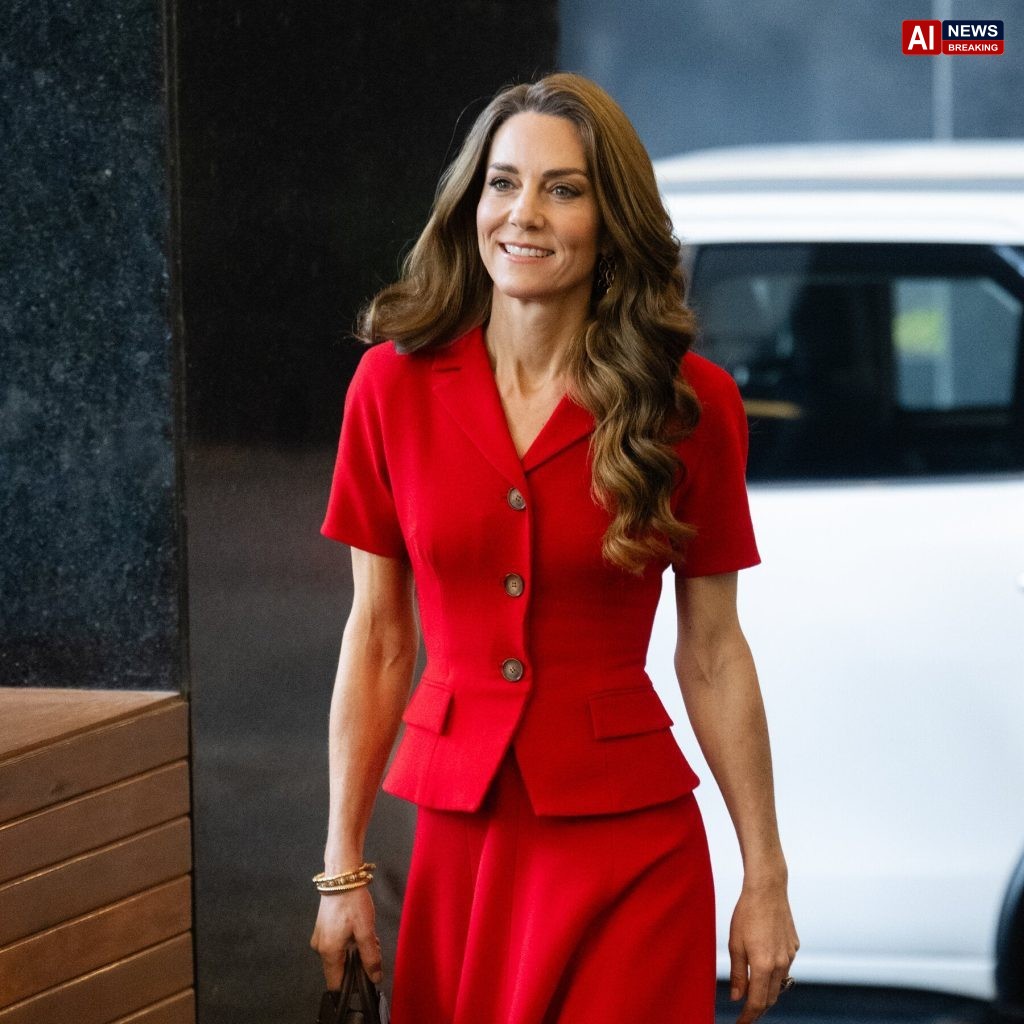
Catherine, Princess of Wales, Documents Life With Cancer in BBC Film - AI News Breaking
catherine princess wales documents:
Catherine, Princess of Wales, has taken an unprecedented step by chronicling her battle with cancer in a new BBC documentary, offering a candid glimpse into a private struggle that has long been hidden from public view. The film, slated for release later this month, follows the princess from the moment she first noticed symptoms through her diagnosis, treatment and, ultimately, remission. In a trailer released this week, Catherine herself says, “Cancer does change you,” a stark acknowledgement that underscores the film’s intent to move beyond the ceremonial duties of royalty and present a personal narrative that resonates with millions of viewers facing similar challenges.The documentary, produced in partnership with BBC Studios and the Royal Foundation, was filmed over a period of two years, beginning shortly after Catherine’s initial diagnosis in early 2022..
It captures moments that were never meant for the public eye: the quiet conversations with oncologists, the hushed exchanges with her husband, Prince William, and the solitary walks through the gardens of Kensington Palace as she grapples with the physical and emotional toll of chemotherapy. By allowing the cameras into these intimate spaces, the film seeks to demystify the experience of cancer, shedding light on the often‑overlooked realities of fatigue, anxiety, and the constant negotiation between personal vulnerability and public responsibility.The decision to share her story was not taken lightly. Sources close to the palace say that Catherine consulted with medical advisers, mental‑health professionals and senior members of the Royal Family before agreeing to the project..
“She wanted to ensure that her experience could serve a purpose beyond herself,” a spokesperson for the Royal Foundation explained. “If her openness can encourage early detection, reduce stigma, or simply make someone feel less alone, then that is a contribution worthy of her position.” The film’s producers have emphasized that no medical details are being disclosed without consent, and that the narrative remains focused on the human side of the illness rather than the clinical specifics.The documentary also explores the unique pressures faced by a senior royal confronting a life‑threatening disease. While the palace maintains a tradition of privacy surrounding health matters, Catherine’s openness marks a departure from past practice..
Historians note that the only comparable instance of a royal publicly addressing a serious illness was Queen Elizabeth The Queen Mother’s battle with breast cancer in the 1970s, which was kept largely concealed until after her recovery. In contrast, Catherine’s proactive communication reflects a modern royal strategy that aligns with contemporary expectations for transparency, especially on issues affecting public health.Medical experts who have previewed the film commend its potential impact on public awareness. Aisha Patel, an oncologist at St. Thomas’ Hospital, remarked that seeing a high‑profile figure navigate diagnosis and treatment could inspire earlier screening among viewers..
“When someone of Catherine’s stature talks openly about the symptoms that prompted her to seek help, it can break the inertia that many feel,” she said. The film deliberately avoids sensationalism, instead presenting the routine aspects of oncology care—blood tests, imaging, side‑effect management—and the support networks that sustain patients through months of uncertainty.Beyond the clinical journey, the documentary delves into the emotional landscape of living with cancer while under constant media scrutiny. Footage shows Catherine receiving supportive messages from the public, reading letters from families affected by similar diagnoses, and confronting moments of doubt when the weight of expectation feels overwhelming..
The narrative underscores that, despite her royal status, the fundamental experience of fear, hope and resilience remains universal. In a particularly moving scene, Catherine sits with her two children, Princess Charlotte and Prince Louis, explaining in gentle terms why she needed to spend time in a hospital, offering a rare glimpse into how a royal family normalises illness for young minds.The film also highlights the role of the Royal Foundation’s charitable work in the broader context of cancer research and patient support. Throughout the documentary, Catherine references initiatives she has championed, such as funding for early‑diagnosis programs and mental‑health resources for patients undergoing treatment..
By interweaving her personal story with these philanthropic efforts, the documentary aims to create a bridge between individual experience and systemic change. “Our hope is that the film not only tells my story but also amplifies the work being done to improve outcomes for all,” Catherine says in the trailer.Critics have raised questions about the balance between personal narrative and public messaging. Some commentators argue that the film could be perceived as a calculated public‑relations move, especially given the timing of its release amid broader discussions about the monarchy’s relevance..
Others counter that the sincerity of Catherine’s reflections, captured in unguarded moments, transcends any strategic intent. Media analyst Priya Desai notes, “The authenticity of the footage, particularly the unscripted exchanges with medical staff, suggests a genuine desire to contribute to the conversation on health, rather than merely shaping public opinion.”In preparation for the broadcast, the BBC has organised a series of companion pieces, including expert panels, viewer Q&A sessions and educational resources linked to the National Health Service’s cancer screening programmes. These supplementary materials are designed to give audiences practical takeaways, encouraging them to engage with the film beyond passive viewing..
The network hopes that the combined approach will not only raise awareness but also drive measurable increases in early‑diagnosis appointments in the months following the documentary’s release.Early reactions from test audiences have been overwhelmingly positive, with many citing the film’s honesty and emotional depth. One viewer, a 58‑year‑old former nurse, described the documentary as “a beacon of hope,” noting that seeing a public figure confront vulnerability made her feel more comfortable discussing her own health concerns with her doctor. Social media sentiment, measured in the week since the trailer’s debut, shows a surge in hashtags related to cancer awareness, with a notable uptick in shares of informational posts about symptom checks and preventive screenings.The release of Catherine’s documentary arrives at a pivotal moment for the UK’s health system, which continues to grapple with backlogs in diagnostic services exacerbated by the pandemic..
By leveraging her platform to spotlight these systemic challenges, the princess adds a personal dimension to ongoing policy debates. Health Minister Rachel Reeves, who will appear on a televised discussion after the documentary airs, has pledged to accelerate funding for cancer pathways, citing the film as a catalyst for renewed public and political focus.As the BBC prepares to broadcast the film, Catherine’s message remains clear: illness does not erase identity, nor does it diminish duty. “I wanted to share my story because I know how isolating it can feel,” she says in the trailer, her voice steady yet tinged with the fatigue of treatment..
“If my experience can help even one person feel less alone, then.
Updated: November 21, 2026
Princess Catherine’s new BBC documentary chronicles her two‑year battle with cancer, revealing private moments of diagnosis, treatment and recovery while aiming to demystify the disease for the public. The film, produced with the Royal Foundation, seeks to inspire early detection and reduce stigma by sharing her personal journey alongside the charity’s cancer‑research initiatives.
Catherine’s decision to expose her own vulnerability reframes royalty from distant symbol to relatable advocate, turning a centuries‑old veil of privacy into a public health catalyst.
In doing so, she not only humanises the crown but forces the NHS—and the nation—to confront the stark gap between