
 New Delhi housing collapse kills 7; rescue operations continue
  Thousands mourn war criminal Ratko Mladic in Banja Luka despite private funeral order
  Israeli strikes kill nine in Lebanese city
  Germany’s AfD enters Saxony-Anhalt cabinet, breaking political firewall
  Tamil Nadu Assembly halts over Vijay’s feud with DMK over Veeranam project
 Delhi reports 1,700 confirmed swine flu cases this year
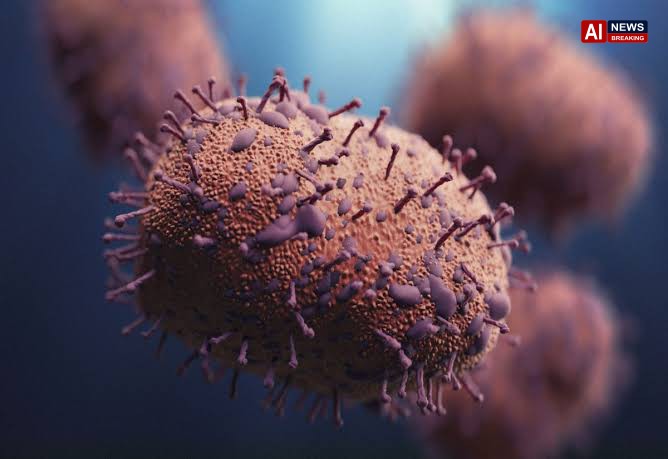
Delhi reports 1,700 confirmed swine flu cases this year - AI News Breaking
delhi reports 1700 confirmed:
New Delhi, a city grappling with the persistent shadows of airborne infectious diseases, has recorded a significant escalation in swine flu cases this year, with health officials confirming that over 1,700 confirmed infections have been logged since the beginning of the calendar. This surge, which has prompted urgent appeals from public health authorities for heightened vigilance, reflects a broader seasonal pattern of influenza transmission that typically intensifies during the transitional periods between winter and spring. The current wave, characterized by H1N1 influenza viruses, has placed considerable strain on the capital’s healthcare infrastructure, necessitating immediate and coordinated responses from government agencies tasked with maintaining public health security across the national capital territory.The Delhi Health Ministry has issued statements indicating that the administration is closely monitoring the epidemiological data to prevent a potential outbreak from spiraling into a crisis..
Officials have directed all government hospitals to ensure that adequate treatment facilities, including oxygen supplies, ventilators, and isolation wards, are readily available to manage the influx of patients presenting with flu-like symptoms. This directive comes amidst concerns that the rapid spread of the virus could overwhelm medical resources, particularly in densely populated areas where community transmission is most likely to accelerate due to close living quarters and extensive public transportation usage that facilitates the movement of both symptomatic and asymptomatic carriers.Medical experts attribute the recent spike in cases to a combination of factors, including the natural seasonality of influenza viruses, which thrive in cooler and drier weather conditions, and a potential decline in herd immunity following periods of reduced circulation during previous years. As social interactions have normalized and travel restrictions have been largely lifted, the population is more to circulating strains of the virus..
Furthermore, the co-circulation of multiple influenza strains, along with other respiratory pathogens, has created a complex clinical landscape where distinguishing between mild seasonal flu and more severe complications requires careful diagnostic testing and clinical judgment by healthcare providers.The symptoms associated with this wave of swine flu are consistent with typical influenza presentations, including high fever, body aches, sore throat, cough, and fatigue. However, health authorities have warned that severe cases can progress rapidly to acute respiratory distress syndrome, pneumonia, and even multi-organ failure, particularly among vulnerable populations such as the elderly, young children, pregnant women, and individuals with underlying chronic health conditions like diabetes, hypertension, or asthma. The urgency of the situation is underscored by several reported fatalities in recent weeks, which have heightened public anxiety and prompted calls for enhanced preventive measures and timely medical intervention for those displaying early signs of infection.In response to the growing caseload, the Delhi government has launched an awareness campaign aimed at educating citizens about preventive practices, including the importance of wearing masks in crowded places, maintaining hand hygiene, and seeking immediate medical attention if symptoms persist or worsen..
Public service announcements have been disseminated through various media channels, emphasizing that while most cases of swine flu are mild and self-limiting, the potential for severe disease necessitates a cautious approach. Health officials have also stressed the importance of home isolation for confirmed cases to reduce the burden on hospitals and prevent further community spread, urging individuals to avoid public gatherings and maintain social distancing as much as possible during the acute phase of the illness.Hospitals across the capital have reported a steady increase in admissions for respiratory illnesses, with emergency departments operating at near capacity in some districts. Doctors have noted that many patients present late in the course of their illness, having self-medicated or ignored initial symptoms until their condition deteriorated..
This delay in seeking professional care complicates treatment outcomes and increases the likelihood of intensive care unit admission. To mitigate this risk, health departments have established dedicated fever clinics and testing centers to facilitate early detection and triage, ensuring that patients with severe risk factors are prioritized for antiviral treatment and hospitalization if necessary.The availability of antiviral medications, particularly oseltamivir, remains a critical component of the management strategy for swine flu. Government pharmacies and private clinics have been instructed to maintain sufficient stocks of these drugs to treat confirmed cases promptly..
Early administration of antivirals has been shown to reduce the severity and duration of illness, as well as the risk of complications. However, concerns about drug resistance and the appropriate use of antibiotics, which are ineffective against viral infections but are often prescribed unnecessarily, continue to be areas of focus for medical professionals aiming to preserve the efficacy of these vital treatments.Vaccination remains the most effective tool for preventing severe influenza, and health authorities have reiterated the importance of annual flu shots, especially for high-risk groups. Although the seasonal influenza vaccine may not provide complete protection against all circulating strains, it significantly reduces the risk of severe disease and hospitalization..
In recent months, there has been an increased uptake of flu vaccines in Delhi, driven by targeted campaigns and improved public awareness. Nevertheless, coverage remains uneven, with significant portions of the population yet to be vaccinated, leaving the city vulnerable to widespread transmission during peak season.The economic impact of the surge in swine flu cases is also becoming apparent, as absenteeism rises among workers and students who fall ill or care for sick family members. Schools and offices have been advised to implement strict health protocols, including regular sanitation of common areas and encouraging remote work or learning options when necessary..
The strain on the workforce, particularly in the healthcare sector, is evident, with many medical staff members contracting the virus themselves, leading to shortages that further exacerbate the pressure on an already stretched system. Support measures for healthcare workers, including paid sick leave and access to rapid testing, are being implemented to retain essential personnel during this critical period.Community resilience and cooperation have been identified as key factors in managing the current health challenge. Local initiatives, such as neighborhood health checks and volunteer-driven support networks for the elderly, have emerged to complement government efforts..
These grassroots responses highlight the importance of community engagement in public health crises, where trust and communication play vital roles in ensuring compliance with safety guidelines. As the season progresses, the collective effort of individuals, healthcare providers, and government agencies will determine the trajectory of the outbreak and its overall impact on public health in the capital.Looking ahead, health officials are preparing for potential fluctuations in case numbers as weather patterns shift and social behaviors change. Continuous surveillance and data analysis remain paramount to anticipating trends and adjusting resource allocation accordingly..
The experience gained from previous outbreaks has informed current strategies, yet the dynamic nature of viral evolution demands ongoing adaptability. By maintaining a state of high alert and ensuring robust healthcare delivery systems, Delhi aims to navigate this seasonal surge with minimal loss of life and disruption to daily life.Ultimately, the current situation serves as a reminder of the persistent threat posed by infectious diseases in urban environments. The response to the swine flu surge in Delhi underscores the necessity of sustained investment in public health infrastructure, vaccine accessibility, and community education..
As the city monitors the evolving situation, the focus remains on protecting the most vulnerable, ensuring equitable access to care.
Updated: August 22, 2026
Delhi records over 1,700 swine flu cases as seasonal H1N1 surge strains hospitals and prompts urgent government vigilance.
Authorities urge mask usage and vaccination while expanding testing facilities to manage rising admissions and prevent critical care overload.
Insight: This surge reveals a dangerous public habit of self-medicating until symptoms become critical, overwhelming hospitals that are already stretched thin.
The real crisis isn’t just the virus, but the delayed surrender to professional care during a normalization of social risk.