
 Pakistan’s leaders hail first astronaut aboard Chinese craft: ‘Proud one of us has gone into space’
 British tourist travels 29 hours from Mumbai to Amritsar for ₹5,461, rates Indian Railways 10/10 | Viral video
 The Supreme Court will decide whether assault weapons bans violate the Second Amendment
 A Critic of Beijing Falls Short in Taiwan’s Key Mayoral Election
 EPA says no rise in contamination after Army detonates lead azide stockpile in Iowa
Fishermen from Ecuador sue Trump administration over boat strike
**
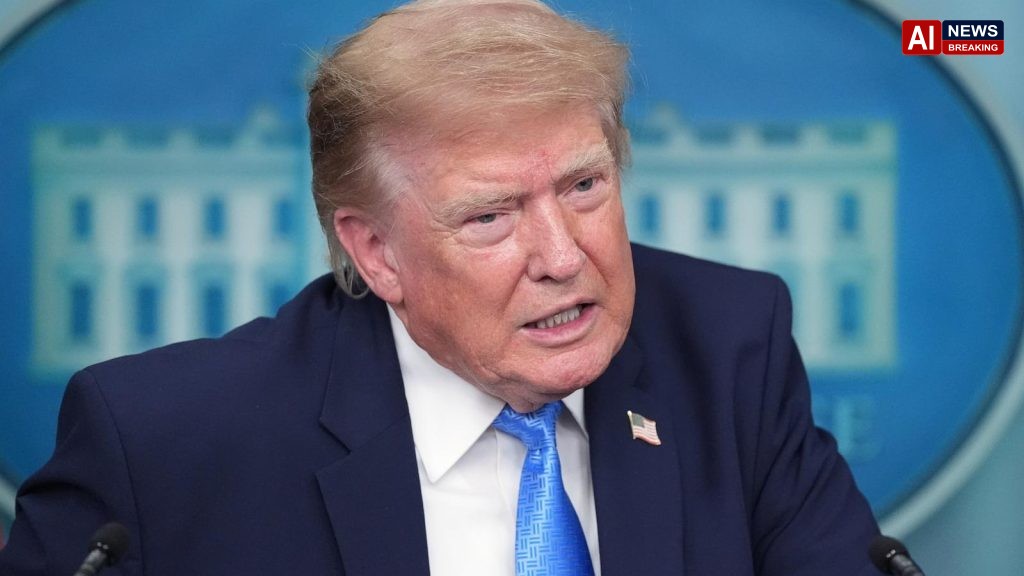
Fishermen from Ecuador sue Trump administration over boat strike - AI News Breaking
fishermen ecuador trump administration:
Ecuadorian fishermen have filed a civil lawsuit in a Washington federal court alleging that a U.S. Navy vessel fired upon their boat and seized several crew members in a mistaken operation that the plaintiffs say was intended to interdict drug traffickers. The case, brought by a consortium of small‑scale fishers from the coastal town of San Vicente, accuses the Trump administration of violating international law, the rights of the fishermen and the sovereignty of Ecuador by conducting an unlawful maritime operation in the Pacific Ocean in March 2023.According to the complaint, the fishing vessel, the Marlin del Pacífico, was operating 15 nautical miles off the coast of Esmeraldas, within what Ecuador considers its exclusive economic zone..
The plaintiffs assert that the U.S. Navy’s destroyer USS Halsey identified the boat as a suspect “narco‑vessel” based on intelligence that later proved faulty. The complaint alleges that, without proper verification, the destroyer opened fire with a 30‑mm cannon, striking the hull and disabling the vessel..
The crew, eight men and two women, were then ordered to abandon ship and were taken aboard a U.S. Coast Guard cutter for “questioning” before being released two days later.The fishermen claim the operation contravened the United Nations Convention on the Law of the Sea (UNCLOS), to which the United States is not a party but to which it has repeatedly affirmed respect, and also breached the 1988 United Nations Convention against Illicit Traffic in Narcotic Drugs and Psychotropic Substances, which obliges signatories to refrain from using excessive force against vessels not proven to be engaged in trafficking. In the filing, the plaintiffs seek compensatory damages for loss of equipment, lost income and emotional distress, as well as a declaratory judgment that the United States must adhere to international norms in future maritime interdictions.U.S..
officials have declined to comment on the specifics of the case, citing ongoing investigations, but a spokesperson for the Department of Defense confirmed that the Navy had conducted a “routine anti‑narcotics patrol” in the area on the date in question. The spokesperson added that “any use of force is governed by strict rules of engagement designed to protect both U.S. personnel and innocent civilians.” The statement stopped short of addressing whether the USS Halsey had the authority to operate within Ecuadorian waters without prior coordination with the South American nation.The lawsuit arrives amid growing scrutiny of U.S..
counter‑narcotics operations in the Pacific, where critics argue that aggressive interdiction tactics have sometimes overreached legal boundaries and strained diplomatic relations. Human rights groups, including Amnesty International, have previously documented cases in which Latin American fishermen alleged being subjected to unwarranted searches, boarding and violence by foreign military forces. In 2021, a similar claim was lodged by a group of Peruvian fishers who accused a U.S..
Coast Guard cutter of firing warning shots at their vessel, an incident that was ultimately settled out of court.Ecuador’s foreign ministry issued a brief statement on Monday acknowledging receipt of the lawsuit and reiterating the country’s commitment to protecting its maritime resources. “We expect that any actions taken by foreign powers in our exclusive economic zone must be consistent with international law and with the bilateral agreements we have with the United States,” the statement read. It added that the ministry would monitor the proceedings closely and consider diplomatic channels if the court’s decision requires further action.Legal experts note that the case faces several hurdles..
While the plaintiffs can sue the United States under the Federal Tort Claims Act, they must first exhaust administrative remedies, a process that can take months or years. Moreover, the doctrine of sovereign immunity often shields the U.S. government from lawsuits unless a waiver is explicitly granted..
“The plaintiffs will need to demonstrate that the United States has waived its immunity for the conduct alleged, which is a high bar,” said Dr. Laura Martínez, a professor of international law at Georgetown University. “Even if the court proceeds, any award of damages would be subject to complex negotiations and possibly political pressure.”Nevertheless, the filing may have broader implications for U.S..
In recent years, the Department of Defense has expanded its “Counter Narcotics and Transnational Crime” initiatives, deploying naval assets farther from U.S. shores to interdict shipments of illicit substances. Critics argue that the lack of transparent oversight and the reliance on classified intelligence increase the risk of misidentifying civilian vessels..
The Marlin del Pacífico case could prompt calls for stricter protocols, including mandatory verification of vessel identity before the use of force and enhanced coordination with coastal states.The plaintiffs’ attorneys, a team from the law firm Gibson Dunn, indicated that they intend to seek not only monetary compensation but also an injunction that would require the United States to revise its engagement rules in the Pacific. “Our clients have suffered not only material loss but also a profound sense of insecurity while trying to earn a living on the seas,” said lead counsel Carlos Méndez. “We hope this case will bring accountability and ensure that future operations respect the rights of lawful fishermen.”The case is scheduled for a preliminary hearing in early 2025..
Whether it will proceed to trial or be settled out of court remains uncertain, but the lawsuit underscores a growing tension between anti‑drug enforcement objectives and the protection of civilian maritime activity. As the litigation unfolds, it may serve as a bellwether for how the United States balances its security priorities with adherence to international legal standards and the expectations of neighboring nations..
If the lawsuit forces a U.S. rule‑change, it could signal a rare moment where American anti‑narco aggression bows to the very international norms it claims to respect.
The episode also shows how mis‑targeted force turns fishermen into geopolitical flashpoints, eroding trust and giving adversaries a






