
 Pakistan’s leaders hail first astronaut aboard Chinese craft: ‘Proud one of us has gone into space’
 British tourist travels 29 hours from Mumbai to Amritsar for ₹5,461, rates Indian Railways 10/10 | Viral video
 The Supreme Court will decide whether assault weapons bans violate the Second Amendment
 A Critic of Beijing Falls Short in Taiwan’s Key Mayoral Election
 EPA says no rise in contamination after Army detonates lead azide stockpile in Iowa
House to debate revised Protect College Sports Act
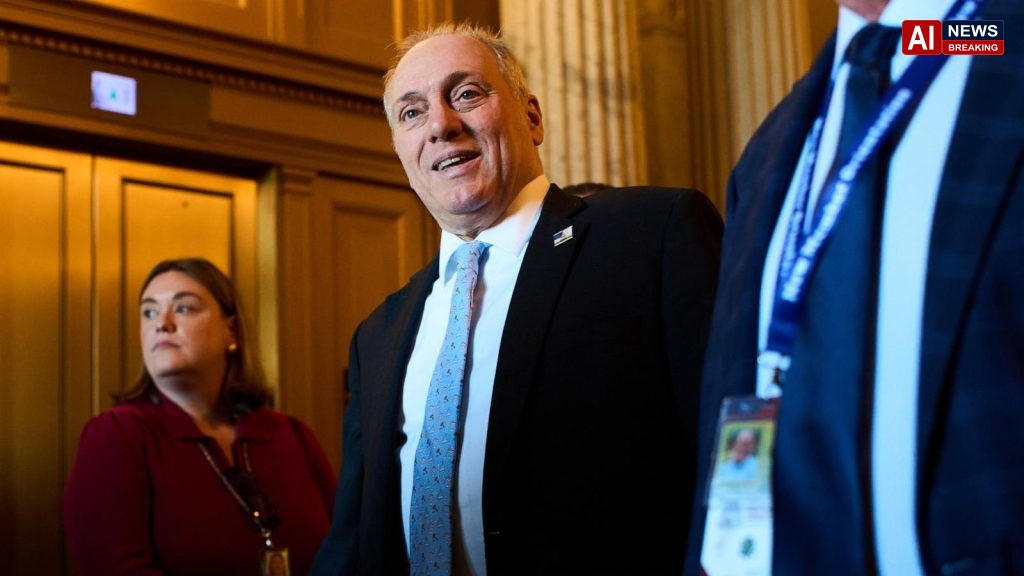
House to debate slightly tweaked version of Protect College Sports Act - AI News Breaking
house debate revised protect:
The House of Representatives will begin debate on a revised version of the Protect College Sports Act next week, a bill that had already cleared the Senate and is now awaiting final approval before it can become law. The legislation, which aims to safeguard student‑athletes from the financial and legal fallout of high‑profile scandals, has been a focal point of the bipartisan effort to reform the structure of collegiate athletics. With the federal deadline approaching, lawmakers are weighing the modest amendments that have been inserted into the Senate‑approved text, sparking discussion across the political spectrum about the balance between protecting athletes and preserving institutional autonomy.At the heart of the bill lies a mandate that any university or college receiving Title IV funding must maintain an independent review board to oversee eligibility and conduct..
The board would be required to investigate allegations of misconduct, including sexual assault, academic fraud and other violations of NCAA rules. The Act also proposes stricter penalties for schools that fail to report infractions promptly, including the forfeiture of scholarships, loss of postseason eligibility and, in extreme cases, the suspension of athletic programs.The amendments that have entered the House version largely tighten the enforcement mechanisms and broaden the scope of the review boards. One key change is the expansion of the definition of “institutional responsibility,” now encompassing not only coaches and athletic directors but also the broader administrative staff who manage student‑athlete welfare..
Under the new language, universities will be held liable for failure to provide adequate mental‑health resources, a move that has drawn praise from advocacy groups who argue that the well‑being of student‑athletes has been insufficiently addressed.Another significant tweak is the addition of a mandatory reporting requirement for any incident involving a student‑athlete that could result in a criminal charge. The Act now stipulates that institutions must forward all such reports to the Department of Education within 48 hours of becoming aware of the incident. Critics of the amendment argue that this could impose an administrative burden on already strained university staff, potentially diverting resources from academic support services..
Supporters contend that the requirement is essential to ensure timely intervention and to demonstrate institutional accountability.The House version also introduces a new provision allowing the Department of Education to conduct audits of athletic programs that have been flagged for repeated violations. The audits would assess compliance with federal regulations and evaluate the effectiveness of corrective actions taken by the institution. If the Department finds systemic failures, it could recommend further sanctions or even propose a suspension of funding..
This element has been welcomed by some lawmakers who see it as a necessary check on the power of athletic departments, but it has also faced criticism from university officials who worry about the potential for political interference in academic affairs.Despite the modifications, the core intent of the bill remains intact. The Act seeks to create a more transparent and accountable system for collegiate sports, a sector that has historically operated with limited oversight. The legislative history of the Protect College Sports Act underscores the urgency with which Congress has approached the issue: in 2023, a series of high‑profile scandals involving student‑athletes gaps in the current regulatory framework and highlighted the need for federal intervention..
In response, Senators from both parties drafted the bill and secured broad bipartisan support, resulting in a swift passage through the Senate.The House debate is scheduled to take place over the next few sessions, during which committee chairs will present their analyses of the amendments and address concerns from members and stakeholders. The House Committee on Education and Labor will likely conduct the primary examination, given the bill’s implications for higher education institutions. In addition to the committee proceedings, the House floor vote will hinge on a small number of key issues: the degree of federal oversight, the balance between institutional autonomy and student protection, and the potential impact on college football and basketball programs.The timing of the debate also carries political significance..
The current administration has signaled its commitment to supporting reforms that protect student‑athletes, while the opposition party has voiced concerns about the potential for federal overreach. The bill’s passage would mark a rare instance of bipartisan cooperation on higher‑education policy, a development that has been praised by both sides of the aisle. However, the debate could also reveal underlying tensions, as some lawmakers fear that the legislation could lead to increased litigation and further politicization of collegiate sports.For the student‑athletes themselves, the outcome of this debate carries real consequences..
Many have voiced frustration over the lack of institutional safeguards, citing incidents where schools failed to provide timely medical care, counseling or academic support. The Act’s provisions to establish independent review boards and mandatory reporting requirements are seen as steps toward ensuring that the institutions that profit from the athletic programs also take responsibility for the well‑being of the athletes who drive that revenue. If the bill passes, it could set a new standard for how colleges handle sensitive issues, potentially reducing the likelihood of future scandals.Meanwhile, university administrators are preparing for the potential compliance challenges that the bill would introduce..
The increased reporting and audit requirements could necessitate the hiring of additional staff, the development of new compliance protocols, and the allocation of additional budgetary resources. Some schools have already begun to evaluate their existing structures, questioning whether current policies will suffice under the new federal mandates. The financial implications of these changes are expected to be significant, especially for smaller institutions with limited athletic budgets.As the House moves toward a vote, the final word will rest on whether the legislation can pass with the same level of bipartisan support it enjoyed in the Senate..
The House’s narrower margin of approval and the more pronounced scrutiny of the amendments could lead to a closer vote. Should the bill fail to pass, it could stall the reform of the collegiate sports system and leave student‑athletes vulnerable to continued oversight gaps. Conversely, a successful vote would signal a decisive shift in federal policy towards protecting the welfare of those who have become central figures in American sports culture.The debate will continue to unfold over the coming weeks, as lawmakers weigh the implications of the amendments and consider the broader impact on higher education..
The final outcome will not only shape the regulatory landscape for college sports but also reflect Congress’s broader commitment to balancing institutional autonomy with the imperative to safeguard student‑athletes. As the House approaches its decision, the stakes remain high for everyone involved, from athletes and coaches to administrators and legislators. The Protect College Sports Act, in its revised form, stands as a testament to the ongoing effort to align the realities of collegiate athletics with the principles of fairness, accountability and student welfare..
Updated: November 21, 2026
House leaders will debate a revised Protect College Sports Act that expands federal oversight, adding mandatory reporting and broader institutional responsibility for student‑athlete welfare. The bill’s fate hinges on balancing tighter enforcement with universities’ autonomy, a test of bipartisan cooperation on higher‑education reform.





