
 Pakistan’s leaders hail first astronaut aboard Chinese craft: ‘Proud one of us has gone into space’
 British tourist travels 29 hours from Mumbai to Amritsar for ₹5,461, rates Indian Railways 10/10 | Viral video
 The Supreme Court will decide whether assault weapons bans violate the Second Amendment
 A Critic of Beijing Falls Short in Taiwan’s Key Mayoral Election
 EPA says no rise in contamination after Army detonates lead azide stockpile in Iowa
School districts have fewer students, but some are delaying painful budget decisions
**
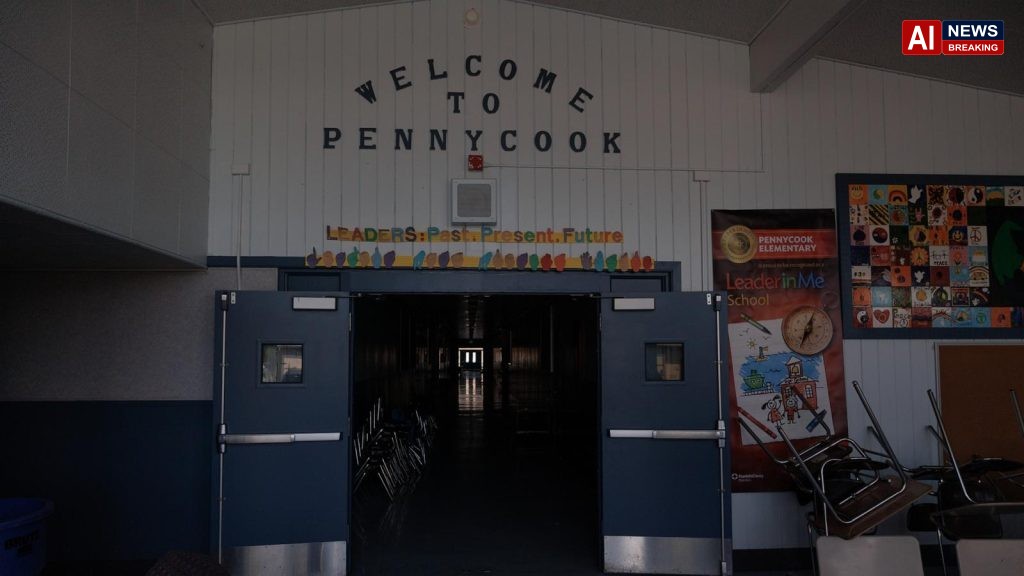
School districts have fewer students, but some are delaying painful budget decisions - AI News Breaking
The latest enrollment figures released by the Seattle Public Schools (SPS) board show a modest decline in the number of students for the upcoming academic year, a trend that has compounded the district’s long‑standing budgetary challenges. While the figures themselves are not unprecedented, they add a new layer of urgency to a conversation that has been ongoing for several months: how to balance a shrinking tax base with an increasingly complex set of educational demands.SPS, which serves more than 60,000 students across the city’s 15 neighbourhood schools, reported a net loss of approximately 1,800 students compared with last year. The drop, which is most pronounced among elementary and middle school levels, follows a nationwide pattern of declining school enrolments as birth rates dip and families move into smaller households..
The district’s financial office estimates that, without additional funding, this shift could reduce annual revenue by around $25 million over the next five years.The board has now convened a special session to consider the implications of these numbers. Its agenda includes a review of the district’s capital projects, staffing plans, and transportation budget. A key point of debate is whether to push forward with planned infrastructure upgrades – a $180 million initiative that would modernise aging school facilities and bring them up to current accessibility and technology standards – or to delay the project in order to preserve cash for other pressing needs such as teacher salaries and mental‑health services.The cost of maintaining the district’s current teacher‑student ratios is a major driver of fiscal pressure..
SPS has committed to a 1:20 ratio in most schools, a standard that the district’s leadership argues is essential for effective learning. However, with fewer students, the district would need to either hire fewer teachers or risk over‑staffing, both of which could strain the budget. Several administrators have already voiced concern that layoffs could undermine morale and the quality of instruction, while union representatives stress the importance of protecting jobs and maintaining a stable work environment.Transportation is another area where the district is feeling the squeeze..
Seattle’s public transportation infrastructure has historically supported a large number of students who rely on school buses. As enrolment drops, the district plans to cut some routes to reduce operating costs. Critics warn that such cuts could disproportionately affect students in low‑income neighbourhoods, who often depend on school transportation to access after‑school programs and extracurricular activities..
A small group of parents and community leaders have called for a more granular study of the impact of route reductions before any final decisions are made.Beyond immediate operational concerns, the school board is also grappling with the longer‑term implications of demographic changes. Several neighbourhoods in Seattle are experiencing rapid gentrification, which has displaced long‑time families and altered the composition of school populations. In the short term, this trend could shift resources to districts that are seeing an influx of students, while those with declining enrolments may find themselves out of reach of state and federal funding formulas that are tied to student counts.In response, the district’s chief financial officer announced a proposal to restructure existing debt and negotiate with the city for a larger share of transportation subsidies..
The proposal is still in the early stages, but it reflects a growing sentiment among board members that a collaborative approach will be necessary to navigate the fiscal minefield. A key part of this strategy would involve leveraging technology to reduce overhead costs – for instance, by expanding the use of digital textbooks and virtual learning environments, which could lower the cost of physical resources and reduce the need for certain in‑person classes.The question of capital projects has elicited a strong divide among community stakeholders. A coalition of parents, teachers and local businesses has pledged to support the upgrades, arguing that modern facilities are a prerequisite for a competitive education system that can retain students and staff..
Opponents, however, are concerned that the project’s cost may be unsustainable. They point to a similar initiative that was abandoned in 2015 after the city’s budget deficit forced the district to postpone construction. The memory of that experience has given some a wariness of large, multi‑year projects that could jeopardise short‑term operational stability.The board has also turned its attention to the district’s mental‑health initiatives..
In recent years, SPS has increased investment in counselling and support services, a response to rising reports of anxiety and depression among students. However, the new budget constraints mean that the district could be forced to reduce the number of counselling hours available. The district’s superintendent has noted that this would not only affect students but also teachers, many of whom rely on those services for professional support..
To mitigate this risk, the district has begun exploring partnerships with local universities and non‑profits, which could provide supplemental mental‑health resources at a lower cost.The decision to either delay or proceed with capital projects has become a proxy for larger questions about the future direction of public education in Seattle. The district’s leadership acknowledges that the choices made now will set a precedent for how the district responds to future demographic shifts. If the district opts to defer infrastructure improvements, it risks falling further behind in terms of technology and safety standards..
Conversely, pursuing the upgrades could signal a commitment to long‑term investment, even at the risk of short‑term financial strain.Public input is playing an increasingly significant role in shaping the final outcome. The board has announced a series of town‑hall meetings and online forums to gather feedback from parents, teachers, and community leaders. These sessions will likely be closely monitored by local media, as the public’s sense of ownership over school finances becomes a pivotal factor in the board’s deliberations..
While the final decision remains uncertain, the district is clear that any path forward will require a balanced approach that respects both fiscal responsibility and the educational needs of its students..
Updated: November 18, 2026
Insight: Seattle’s budget crunch turns school enrollment from a statistic into a strategic lever, forcing the board to decide whether shrinking dollars mean postponing infrastructure or risking teacher morale. The choice will set a costly precedent—delaying upgrades may save money now but could erode the district’s competitiveness, while proceeding risks short‑term insolvency and invites scrutiny that could reshape public trust in Seattle’s education system.






