
 Pond heron found dead in Coimbatore tests positive for avian influenza
 Pakistan’s leaders hail first astronaut aboard Chinese craft: ‘Proud one of us has gone into space’
 British tourist travels 29 hours from Mumbai to Amritsar for ₹5,461, rates Indian Railways 10/10 | Viral video
 The Supreme Court will decide whether assault weapons bans violate the Second Amendment
 A Critic of Beijing Falls Short in Taiwan’s Key Mayoral Election
Ladakh announces hill council elections, but fails to assuage protesting civil society groups
**
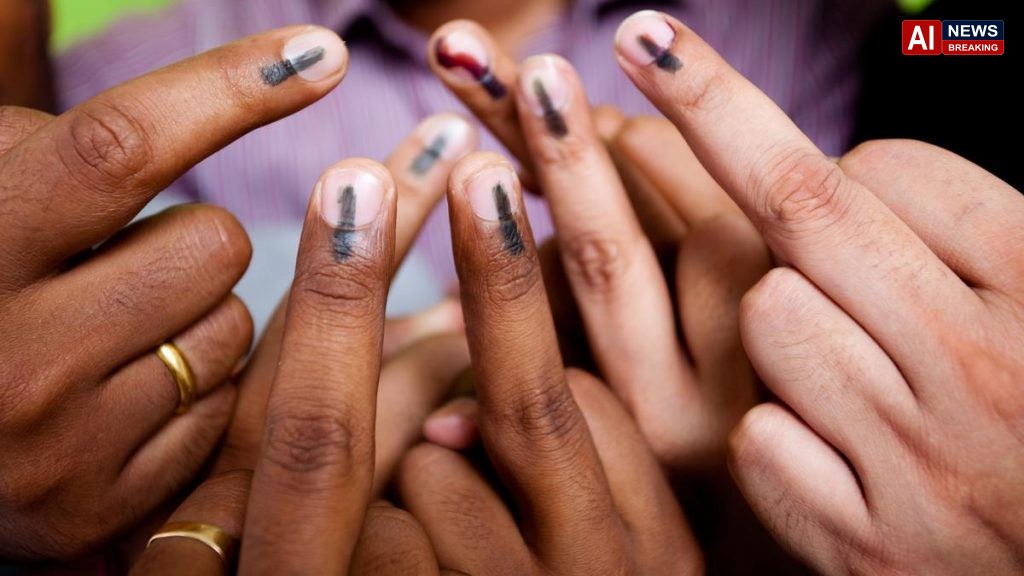
Ladakh announces hill council elections, but fails to assuage protesting civil society groups - AI News Breaking
Ladakh’s administrative framework is set to expand as the state government announces the creation of a new hill council structure, a decision that has sparked debate across the region. The proposal will increase the number of council seats from the current 72 to 100, with 36 seats earmarked for women, marking a historic move toward greater gender representation in the Union Territory’s local governance. However, the announcement has also triggered protests from civil society groups who argue that the decision was made unilaterally and that the timing of the polls—scheduled for winter months—poses logistical and electoral challenges.The hill council concept, which has been under discussion for several years, is intended to bring decision-making closer to remote communities, allowing local leaders to address infrastructure, education, and environmental concerns more directly..
The increase in seats reflects the territory’s growing population and the need for a more granular representation of its diverse communities, from the high-altitude Buddhist settlements to the Shia Muslim towns along the Indus River. The government cited demographic shifts and the desire to incorporate more women into public office as primary drivers for the new composition.Despite the symbolic gesture of reserving a third of the seats for women, many activists contend that the move does not address deeper structural issues. “We welcome the inclusion of women, but a unilateral decision on the number of seats and the timing of elections without consulting local bodies is problematic,” said a senior activist from the Ladakh Civil Society Forum..
The organization, which has been campaigning for participatory governance, has urged the government to engage more comprehensively with community leaders, district councils, and the public before finalising the election calendar.One of the central concerns raised by civil society groups is the lack of clarity around delimitation, the process that determines electoral boundaries. In a region where communities are spread across rugged terrain, the absence of a transparent delimitation plan could result in unequal representation or dilution of minority voices. “Delimitation is not just a technical exercise; it’s about ensuring that every village, whether it is in the high Himalayas or the lower valleys, has a fair say in who represents them,” said an expert in electoral geography who spoke on condition of anonymity..
The government’s draft delimitation map has not yet been made public, leaving stakeholders in a state of uncertainty.The timing of the proposed elections is another flashpoint. Scheduled for the winter months, the polls would coincide with harsh weather conditions, including heavy snowfall, reduced daylight, and limited road access. Civil society groups argue that these factors could disenfranchise voters, especially in isolated settlements where transportation is already a challenge..
“We are worried that people who live in remote valleys might be unable to reach polling stations,” said a community liaison from a village in the Kargil district. The government has promised to provide additional transport facilities and has suggested that the Election Commission could deploy mobile polling stations, but critics remain unconvinced.The government, on its part, stresses that the election schedule has been set with the guidance of the Election Commission of India, which has a mandate to ensure free and fair polls. “We have taken the necessary steps to ensure that the elections are conducted smoothly, even in challenging environments,” a spokesperson from the Ladakh administration said..
The administration also pointed to past experience in conducting elections in similar conditions, citing the 2019 parliamentary elections held in Ladakh’s high-altitude constituencies as a successful precedent.Protesters, however, are not satisfied with these assurances. Over the weekend, a rally in Leh saw hundreds of civil society members, local activists, and members of the press gather to voice their concerns. They carried placards demanding a postponement of the elections until the spring, a transparent delimitation process, and a genuine consultation with local stakeholders..
The protest was largely peaceful, but it underscored the growing frustration among those who feel that their voices are being sidelined in decisions that directly affect their civic lives.In response to the protests, the state government has announced a series of town hall meetings scheduled for the coming weeks, aimed at engaging with community representatives and addressing grievances. The meetings will be held in Leh, Kargil, and the remote villages of Nubra and Zanskar, with the intent of gathering feedback on the proposed election timetable and delimitation plans. Critics, however, say that the meetings may be merely a public relations exercise and that real change will only come if the government commits to a transparent, participatory process.The debate over Ladakh’s hill council elections reflects broader tensions in the region, where the push for greater local autonomy clashes with the central government’s desire to maintain administrative cohesion..
The Union Territory’s unique geography and demographic composition make governance a complex affair. While the government’s proposal for increased representation and gender quotas is a step forward, the manner in which the decision has been executed has significant gaps in consultation and transparency.As the situation develops, the national media and local outlets will be closely watching how the government navigates the delicate balance between advancing administrative reforms and honoring the democratic expectations of the people of Ladakh. The outcome of this debate could set a precedent for future governance reforms in other remote regions across India..
Whether the hill council elections will ultimately proceed as scheduled remains uncertain, but the dialogue between the government and civil society is already shaping a narrative that extends beyond the borders of this high-altitude territory..
Updated: November 10, 2026
Ladakh’s new hill council seats promise more women and finer local representation, yet the government’s top‑down timetable risks turning that promise into tokenism—especially if winter logistics and opaque delimitation leave remote voters disenfranchised. The real test will be whether the promised town‑





