
 Pakistan’s leaders hail first astronaut aboard Chinese craft: ‘Proud one of us has gone into space’
 British tourist travels 29 hours from Mumbai to Amritsar for ₹5,461, rates Indian Railways 10/10 | Viral video
 The Supreme Court will decide whether assault weapons bans violate the Second Amendment
 A Critic of Beijing Falls Short in Taiwan’s Key Mayoral Election
 EPA says no rise in contamination after Army detonates lead azide stockpile in Iowa
Airstrikes on Iran Missile Sites May Shed Light on Justification for Dams
**
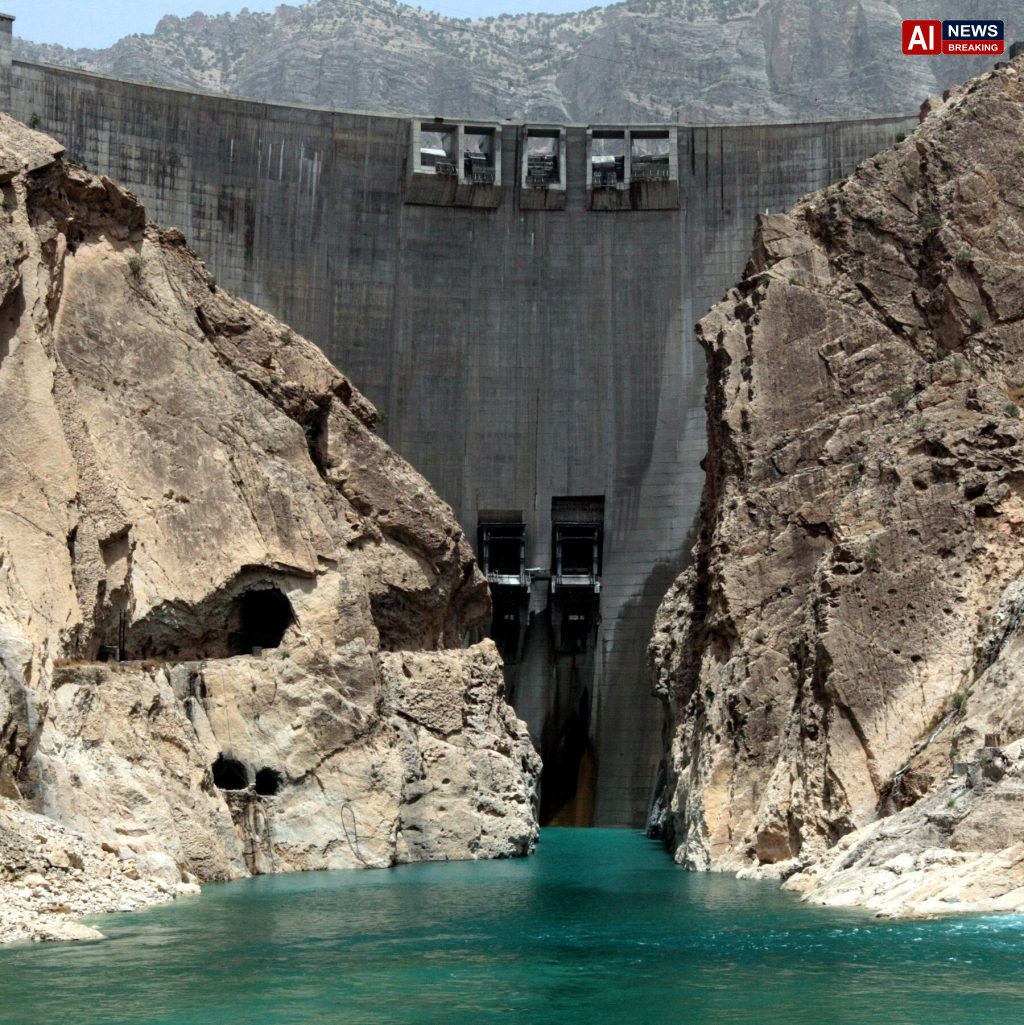
Airstrikes on Iran Missile Sites May Shed Light on Justification for Dams - AI News Breaking
airstrikes iran missile sites:
Title: Airstrikes on Iran Missile Sites May Shed Light on Justification for Dams 1. The United Nations Security Council last week authorized a limited military operation against a cluster of Iranian missile sites located in the Khuzestan province. The strike package, flown by coalition aircraft from Qatar and the United States, targeted 13 hardened launch complexes that had been under development for the last five years..
According to official statements, the sites were chosen because they were believed to be capable of storing and firing short‑range ballistic missiles that could threaten civilian populations in Iraq and Syria. The operation, which lasted less than an hour, reportedly caused minimal civilian casualties but did inflict considerable damage on the missile infrastructure. What has drawn the attention of a different group of observers are the satellite images released by the coalition after the strikes..
In addition to the missile silos, the images revealed a network of water‑damming structures along the Shatt al‑Arab waterway that had previously been considered unrelated to any defence programme. Environmental scientists from the Royal Geographical Society have been studying the same region for the past decade, noting that the dam system, which consists of nine reservoirs and an array of canals, had no obvious hydrological or agricultural purpose. The new data have prompted a re‑evaluation of the political motives behind these water projects..
Farah Khalil, a senior hydrologist at the University of Tehran, explains that the dam network was first conceptualised in the 1990s as part of a “strategic water management plan” for the Shatt al‑Arab region. “The official narrative was that we were preparing for droughts and increasing irrigation capacity for local villages,” she says. “But the scale of the construction – a 30‑kilometre long barrage, 200 metres in height, and a series of spillways – far exceeded what any known agricultural needs would require.” Khalil’s team had long suspected that the reservoirs may have served a dual purpose: water storage and storage of hazardous materials..
Iran’s Ministry of Defence denied that any of the missile sites had links to the dam infrastructure. In a statement released to state‑run media, the ministry said: “The missile launch complexes are a separate, purely defence‑related construction. The water reservoirs are managed by the Ministry of Energy and have no strategic military relevance.” However, the post‑strike satellite imagery showed that several missile silos were situated within 2 kilometres of a key reservoir, with roadways connecting the two facilities that were previously classified as “military infrastructure.” 5..
Environmental NGOs have seized on the new evidence to challenge the narrative that the dams were built solely for ecological reasons. Greenpeace Middle East issued a press release calling for an independent inquiry into the “dual‑use” hypothesis, stating that “the proximity of the reservoirs to military sites about the true purpose of these constructions.” They argue that if the dams were indeed designed to facilitate the rapid movement of missile components or as storage for munitions, then the environmental impact assessment that was publicly available is grossly inaccurate. The World Wildlife Fund (WWF) has also expressed concerns about the ecological impact of both the missile sites and the dam network..
“The Shatt al‑Arab is a critical habitat for migratory birds and an important breeding ground for several endangered fish species,” says WWF’s chief ecologist, Dr. “The construction and operation of these facilities have disrupted local ecosystems, and the recent airstrikes have likely exacerbated the damage by creating debris that threatens to collapse the dam walls.” Al‑Sayed warns that the structural integrity of the reservoirs could be compromised, leading to potential flooding downstream. Iran’s foreign ministry has called on the international community to “respect the sovereignty of our nation” and to “avoid any pre‑emptive or punitive actions that would jeopardise the region’s stability.” In a televised address, Foreign Minister Mohammad Javad Zarif appealed for a “transparent review” of the missile sites, citing Iran’s right to self‑defence and the need to clarify the nature of the dams..
He also urged the UN to investigate whether the United States and its allies had overstepped their mandate in conducting the airstrikes without a clear, verifiable threat assessment. In the aftermath of the strikes, the International Court of Justice (ICJ) received a petition from the United Nations Human Rights Council to examine the legality of the operation. The petition cites the principle of proportionality, arguing that the damage inflicted on civilian infrastructure, including the dam reservoirs, may have exceeded what was necessary to neutralise a military threat..
The ICJ has scheduled an oral hearing for December 15, after which it will issue a preliminary opinion on the issue. Legal scholars are watching closely, as the outcome could set a precedent for future cross‑border air operations. Meanwhile, local communities along the Shatt al‑Arab have reported increased water pollution and a decline in fish stocks since the missile sites were first constructed..
A resident of the town of Al‑Qatif, where a major reservoir sits, told reporters that “the water used to be clear and teeming with life. Now it’s murky, and the fish we catch are dying before we get them to market.” The fishermen’s association has demanded that the government conduct an immediate environmental audit, citing the potential contamination from both the missile.
Updated: November 16, 2026
The covert link between Iran’s missile silos and the Shatt al‑Arab dams suggests a deliberate strategy of “dual‑use” infrastructure, turning a vital waterway into a hidden logistics corridor for warfare. This blurs the line between national defence and environmental exploitation, risking both regional stability and ecological collapse







