Pakistan’s leaders hail first astronaut aboard Chinese craft: ‘Proud one of us has gone into space’
 British tourist travels 29 hours from Mumbai to Amritsar for ₹5,461, rates Indian Railways 10/10 | Viral video
 The Supreme Court will decide whether assault weapons bans violate the Second Amendment
 A Critic of Beijing Falls Short in Taiwan’s Key Mayoral Election
 EPA says no rise in contamination after Army detonates lead azide stockpile in Iowa
Easing Back From Brexit: What to Expect at U.K. Summit With E.U.
**
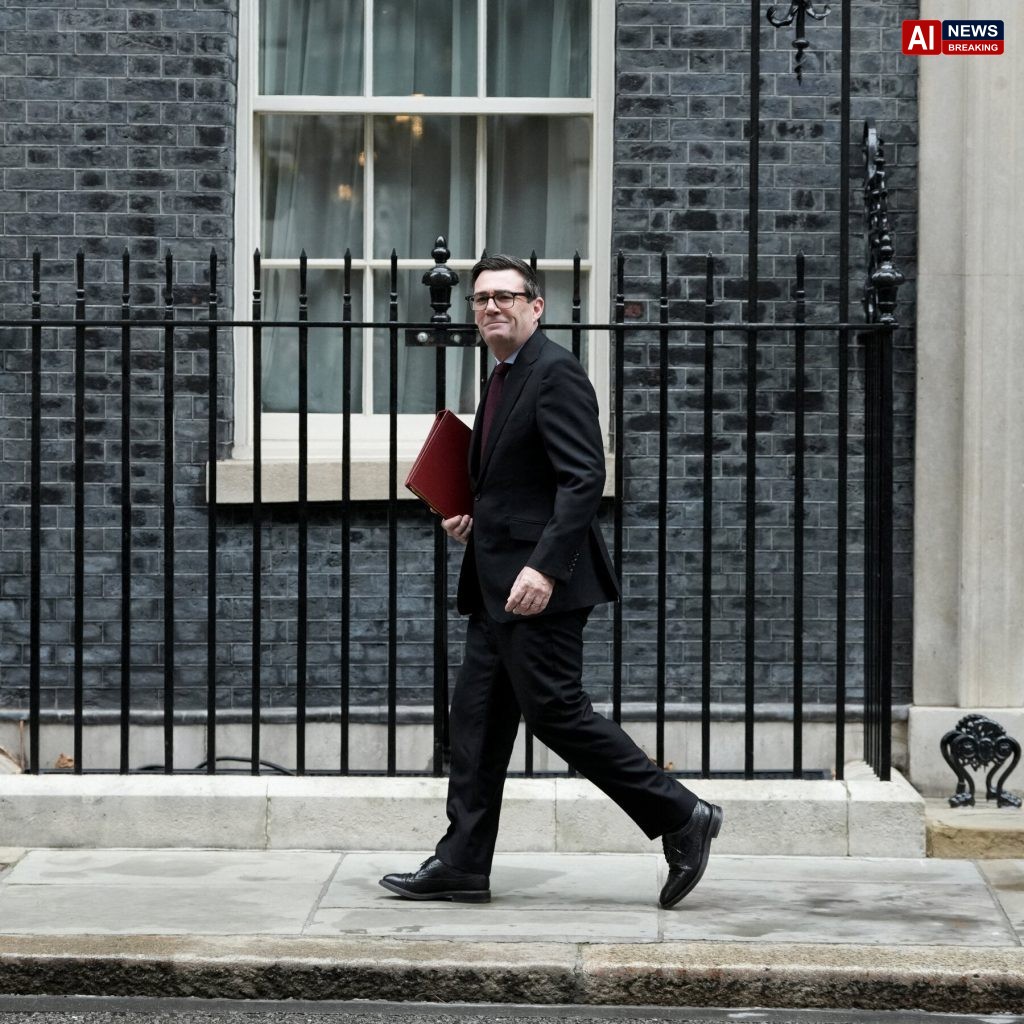
Easing Back From Brexit: What to Expect at U.K. Summit With E.U. - AI News Breaking
easing back brexit what:
Easing Back From Brexit: What to Expect at U.K. A decade after Britain voted to leave the European Union, it is creeping back toward the 27-nation bloc amid global pressure. The forthcoming summit, scheduled for late October in Brussels, marks the first high‑level meeting between the United Kingdom and the European Union since the 2016 referendum..
It comes at a time when both sides are keen to explore pathways for a more comprehensive post‑Brexit partnership that balances sovereignty concerns with the practicalities of an interconnected Europe. The summit agenda will focus on trade, security and climate policy—three pillars that have historically underpinned the UK‑EU relationship. Trade negotiations will likely centre on the removal of tariff and non‑tariff barriers, with a view to reinstating a more fluid market for goods and services..
The UK has already introduced a number of unilateral measures to protect its market, but the EU remains wary of undermining its internal cohesion. Security cooperation will be another priority, especially in the areas of counter‑terrorism, cyber protection and intelligence sharing. The UK has long been a key partner in NATO and the Five Eyes intelligence community, and both parties recognise that a coordinated approach is essential in a rapidly evolving threat landscape..
The summit will also probe possibilities for a joint strategy to combat organised crime and money laundering. Climate change negotiations are expected to see significant progress. The European Union has set a target of net‑zero emissions by 2050, and the UK has committed to a similar ambition, albeit through different policy mechanisms..
A joint statement could outline shared commitments to green finance, carbon capture and renewable energy projects, with potential funding mechanisms to support cross‑border collaboration. The political backdrop to the summit is complex. The UK’s current government, led by Prime Minister Rishi Sunak, has been vocal about protecting national sovereignty..
Meanwhile, the European Commission, under Ursula von der Leyen, has signalled a willingness to engage but not to compromise on core EU principles. The outcome will depend heavily on whether both sides can find common ground without appearing to cede too much political ground. Public opinion in the UK remains divided on the idea of closer ties..
Exit polls from the 2016 referendum show that a significant portion of the electorate still favoured maintaining distance from EU regulations. Yet the economic realities of a trade war with the EU, as well as the disruption caused by supply chain bottlenecks, have shifted public sentiment toward a more pragmatic approach. The summit may thus reflect a shift in public policy priorities..
Analysts predict that the negotiations will follow a phased approach. Initial talks will likely focus on sectoral agreements, such as financial services and agriculture, before moving on to more comprehensive frameworks. This incremental strategy is designed to build trust and avoid large‑scale backlash from either side..
It also mirrors the post‑Brexit trajectory of the UK, which has adopted a piecemeal integration strategy rather than a wholesale embrace of EU law. Legal and regulatory issues will loom large. The UK’s decision to diverge from the EU’s regulatory framework has led to complications in areas like data protection, digital services and product standards..
The summit will need to address whether a new regulatory alignment can be achieved without undermining the UK’s regulatory independence. Potential solutions could involve mutual recognition agreements that allow for different standards, provided they meet baseline safety and consumer protection criteria. Trade relations have already been affected by the EU’s application of tariffs and customs checks on UK goods..
The summit could offer a platform to negotiate a new, more efficient customs regime. This would involve the development of digital trade facilitation tools and streamlined customs procedures. Both sides have expressed interest in leveraging technology to reduce border delays and administrative costs..
The political implications of any agreement are far from trivial. A closer partnership would signal to the world that the UK remains a key player within European affairs, potentially offsetting the negative perception of a hard Brexit. Conversely, any perceived concession could be used by opposition parties to question the government’s commitment to the UK’s independence..
Therefore, the negotiation process will be closely monitored by political analysts and media outlets alike. In the weeks leading up to the summit, there will be a series of preparatory meetings between key negotiators. These talks will help to set the tone for the formal discussions in Brussels..
They will also provide an opportunity for both sides to iron out technical details and to align expectations about the scope of the agreement. The outcome will ultimately rest on the willingness of both parties to compromise on their respective priorities. The summit’s success will hinge on the ability of the UK and the EU to reconcile divergent interests while maintaining the integrity of their respective institutions..
If both sides manage to strike a balance, the UK could find itself positioned as a bridge between Europe and the rest of the world, leveraging its unique status to influence global trade, security and environmental policies. Whether this vision materialises will depend on the diplomatic skill and political resolve demonstrated over the coming months..
Updated: November 20, 2026
The summit could mark the UK’s reluctant pivot from isolation to a pragmatic “bridge” role, easing tensions while safeguarding its hard‑won sovereignty. If the talks yield a phased, trust‑building framework, Britain may quietly regain influence on EU‑wide fronts—at the cost of some domestic political backlash that