
 Pond heron found dead in Coimbatore tests positive for avian influenza
 Pakistan’s leaders hail first astronaut aboard Chinese craft: ‘Proud one of us has gone into space’
 British tourist travels 29 hours from Mumbai to Amritsar for ₹5,461, rates Indian Railways 10/10 | Viral video
 The Supreme Court will decide whether assault weapons bans violate the Second Amendment
 A Critic of Beijing Falls Short in Taiwan’s Key Mayoral Election
HC asks SSUS why it persists with demand for apology from protesting students who were already under suspension
**
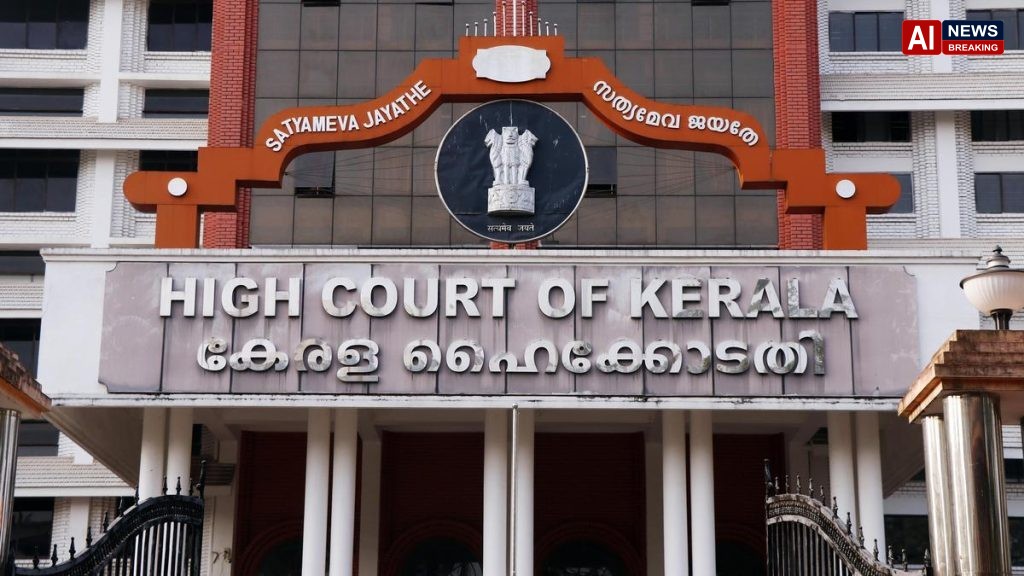
HC asks SSUS why it persists with demand for apology from protesting students who were already under suspension - AI News Breaking
asks ssus persists demand:
The Calcutta High Court on Monday questioned the Student Senate of the University of Calcutta (SSUS) over its insistence that sixteen suspended students issue a formal apology for a protest that culminated in a mock funeral for the Vice‑Chancellor. The bench, headed by Justice P. Kunhikrishnan, was hearing a petition filed by the students, who argue that the university’s demand is an undue infringement of their constitutional right to free expression and that the disciplinary action taken against them was disproportionate..
The court’s intervention comes amid a growing national debate about the limits of student activism, administrative authority, and the procedural safeguards that should govern disciplinary proceedings in higher education institutions.The protest, staged on the university campus last month, was a response to a series of policy changes announced by the Vice‑Chancellor, which the students described as curtailing academic freedom and increasing financial burdens. Participants arranged a symbolic funeral procession, complete with a coffin and mourners, to dramatise what they termed the “death of autonomy” at the university. While the demonstration remained peaceful, university officials argued that the act crossed a line, constituting a “serious breach of decorum” and an affront to the dignity of the Vice‑Chancellor’s office..
In the aftermath, sixteen students were suspended pending an enquiry, and the SSUS issued a notice demanding a written apology as a pre‑condition for any reconsideration of the suspension.In its order, Justice Kunhikrishnan asked the SSUS to justify the insistence on an apology, noting that the students had already been placed under suspension and that the enquiry process was still pending. “The university must articulate why it believes an apology is essential at this stage, especially when the substantive issues raised by the protest remain unresolved,” the judge wrote. The bench highlighted that disciplinary actions in educational settings are expected to follow principles of natural justice, including the right to be heard and the presumption of innocence until proven otherwise..
By demanding an apology before the enquiry’s conclusions, the university, the court suggested, risked prejudicing the process and could be seen as imposing a punitive measure beyond the scope of disciplinary norms.Legal scholars observing the proceedings noted that the demand for an apology could set a concerning precedent. Professor Arundhati Basu of the National Law School, who specialises in constitutional law, explained that while institutions have the authority to maintain order, compelling an admission of guilt through an apology before a formal investigation could undermine the procedural safeguards guaranteed under Article 21 of the Constitution. “Apologies, when coerced, may not reflect genuine contrition but rather a strategic concession to avoid further sanction,” she said..
“The judiciary’s role is to ensure that any disciplinary action is proportionate, transparent, and respects the students’ fundamental rights.”The SSUS, represented by its president, defended the demand as a necessary step to restore campus harmony and to demonstrate respect for the university’s hierarchy. In a written response submitted to the bench, the student body argued that the mock funeral was not merely an expression of dissent but an act designed to humiliate the Vice‑Chancellor and disrupt academic activities. “An apology would signal a willingness to reconcile and would allow the university to move forward without lingering resentment,” the statement read..
The SSUS also contended that the suspension itself was a provisional measure, but that an apology would be a mitigating factor in any final decision regarding the students’ status.The students’ counsel, senior advocate R. Dutta, countered that the university’s stance conflated dissent with disrespect, thereby stifling legitimate protest. He urged the court to direct the SSUS to focus on the substantive enquiry rather than on symbolic gestures..
“The core issue is whether the suspension was justified, not whether the students will say ‘sorry’ for expressing their grievances,” Dutta argued. He further warned that the precedent of demanding apologies could be weaponised by institutions to silence future dissent, eroding the democratic ethos that universities have historically championed.During the hearing, the bench also examined the procedural aspects of the ongoing enquiry. The court noted that the university had not yet disclosed the specific charges against the suspended students nor provided a detailed timetable for the investigation..
Justice Kunhikrishnan reminded the SSUS that any disciplinary process must adhere to the principles of natural justice, including timely notice, the opportunity to present evidence, and an unbiased adjudicating body. He warned that any deviation could render the suspension vulnerable to judicial review and potentially result in the restoration of the students’ academic standing.In response, the Vice‑Chancellor’s office released a statement affirming its commitment to upholding the university’s code of conduct while also respecting the rights of the student community. The statement acknowledged the court’s observations and indicated that the administration would consider the bench’s directions when finalising its disciplinary recommendations..
“Our aim is to ensure a conducive learning environment without compromising the legitimate freedoms of our students,” the statement read, adding that the university would seek a balanced resolution that addresses both the alleged misconduct and the underlying concerns raised by the protest.The case is expected to be listed for further arguments next week, with the High Court likely to issue a detailed order on the propriety of the university’s demand for an apology. Observers anticipate that the outcome could influence how Indian universities manage student activism, particularly in an era where campuses are increasingly becoming arenas for broader political and social debates. If the court finds the apology demand excessive, it may compel the SSUS to revise its disciplinary framework, emphasizing due process over symbolic gestures..
Conversely, a ruling upholding the university’s position could embolden other institutions to adopt similar pre‑emptive measures, potentially reshaping the dynamics of student‑administration relations across the country.The broader implication of the hearing extends beyond a single protest. It underscores the tension between institutional authority and the democratic right to dissent within academic settings, a balance that has long been a hallmark of India’s higher education system. As the judiciary navigates this delicate terrain, the verdict will likely resonate with students, administrators, and legal experts alike, shaping the discourse on how campuses can safeguard both order and free expression in the years ahead..
Updated: November 11, 2026
The court’s insistence that an apology precede a fair inquiry signals a worrying trend where institutional dignity is traded for procedural rigour, risking the erosion of genuine dissent. If upheld, universities may weaponise “respect” to pre‑empt dissent, but a contrary ruling could reinforce natural justice as a bul






