
 Pakistan’s leaders hail first astronaut aboard Chinese craft: ‘Proud one of us has gone into space’
 British tourist travels 29 hours from Mumbai to Amritsar for ₹5,461, rates Indian Railways 10/10 | Viral video
 The Supreme Court will decide whether assault weapons bans violate the Second Amendment
 A Critic of Beijing Falls Short in Taiwan’s Key Mayoral Election
 EPA says no rise in contamination after Army detonates lead azide stockpile in Iowa
Keralam tourism industry seeks six-month seasonal beer-wine licences for hotels and resorts
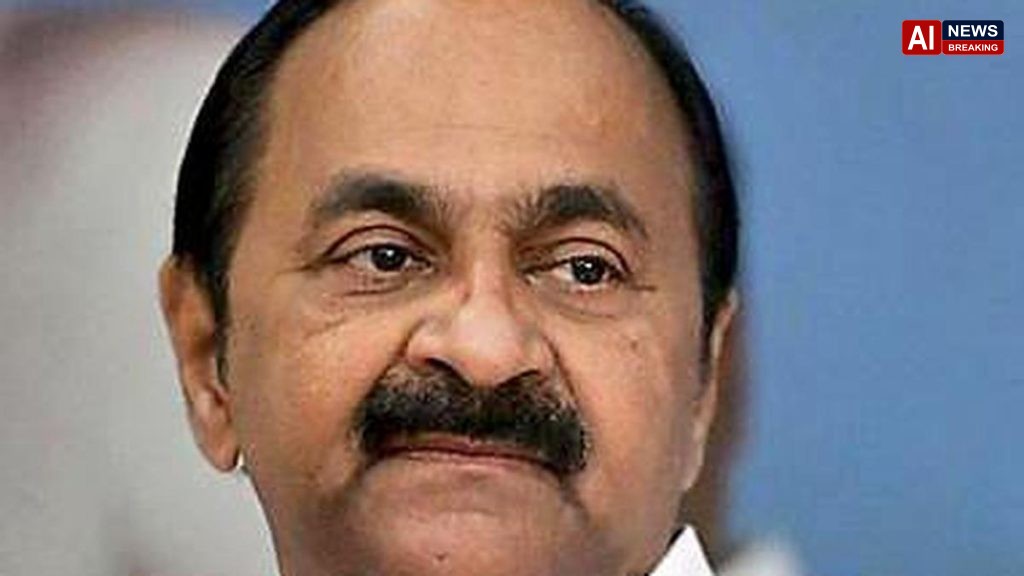
Keralam tourism industry seeks six-month seasonal beer-wine licences for hotels and resorts - AI News Breaking
The tourism board of Kerala, through its flagship programme Keralam Travel and Adventure Knowledge (K(TRAK)), has submitted a memorandum to Chief Minister V.D. Satheesan seeking approval for a new regulatory framework that would allow hotels and resorts across the state to obtain seasonal licences for the sale and consumption of beer and wine. The proposal, which focuses on the 39 destinations listed in the state’s tourism master plan, aims to address the growing demand for alcoholic beverages among international and domestic visitors while safeguarding public health and maintaining the cultural heritage of the region.The memorandum, dated earlier this month, outlines a detailed set of eligibility criteria and operational standards that would accompany the licences..
These criteria include minimum square footage for dedicated drinking areas, certified training for staff handling alcohol, and strict compliance with hygiene protocols that meet both national and international best practices. In addition, the board proposes a robust monitoring system whereby regular inspections would be carried out by a joint task force of the Tourism Department and the State Police, ensuring that each establishment remains in good standing throughout the six‑month period.Supporters argue that the move is timely. Kerala’s tourism sector has recovered steadily since the pandemic, with domestic arrivals climbing to 12 million in 2023 and overseas visitors expected to return to pre‑COVID levels by the end of the year..
A recent survey conducted by the Kerala Tourism Development Corporation found that 73 per cent of international travellers consider the availability of a wide range of beverages, including beer and wine, an important factor in choosing a destination. “We cannot afford to be left behind by other South Indian states that are already offering year‑round licensing for alcoholic drinks,” one senior tourism official told reporters. “A controlled, six‑month licence model gives us the flexibility we need to meet demand without compromising on safety or local culture.”The proposal also seeks to level the playing field for small and medium‑sized hospitality businesses, which form the backbone of the state’s tourism economy..
Currently, many boutique hotels and homestays are unable to offer alcoholic beverages because they lack the necessary infrastructure and fail to meet the stringent licensing requirements set for larger resorts. By introducing a tiered system that recognises the scale of an establishment, K(TRAK) hopes to encourage a broader range of operators to participate, thereby boosting employment and generating additional revenue for local communities.Critics of the plan, however, raise concerns about the potential social implications of increased alcohol availability. A spokesperson for the Kerala State Health Department emphasised that any expansion of alcohol sales must be coupled with comprehensive public health campaigns aimed at preventing abuse and addressing the risk of drunk driving..
“We will be working closely with the tourism authorities to develop awareness programmes, and we will require clear evidence that establishments will implement responsible service measures before any licence is issued,” the spokesperson added. The memorandum responds to this concern by proposing mandatory training for all staff in the principles of responsible service of alcohol, in line with guidelines issued by the Central Public Health Standards Authority.The six‑month licence model is designed to accommodate seasonal variations in tourist influx. Kerala experiences distinct peaks during the summer and winter months, with a significant surge in visitors during the festival season of Onam and the Christmas–New Year holidays..
By aligning licences with these peak periods, the board believes it can maximise revenue while avoiding the bureaucratic overhead of maintaining year‑long licences for businesses that operate at lower volumes during off‑peak times. The memorandum also recommends that the licences be renewable on a biennial basis, allowing establishments that demonstrate compliance to maintain their status without having to reapply.From a financial perspective, the proposal could deliver a substantial boost to the state’s tourism budget. K(TRAK) estimates that, if 80 per cent of the 39 destinations adopt the scheme, an additional 1.5 million litres of beer and wine could be sold during the licensing periods..
At an average retail price of ₹300 per litre, the state could see a contribution of ₹450 crore in revenue, a figure that would help offset the costs of infrastructure development and marketing campaigns. The memorandum stresses that a proportion of this revenue would be earmarked for community development projects and environmental conservation initiatives, ensuring that the benefits of increased tourism are shared across the region.The board’s approach also includes a focus on sustainability. In an effort to reduce the environmental footprint of alcohol consumption, the proposal recommends that establishments utilise biodegradable packaging for all on‑site sales and adopt energy‑efficient refrigeration systems..
Hotels and resorts would be required to produce a waste management plan that aligns with the state’s zero‑waste targets, with regular audits to ensure compliance. These measures are intended to reassure environmentally conscious travellers and to reinforce Kerala’s reputation as a responsible tourism destination.The memorandum has already generated interest among several hotel chains and resort operators. A spokesperson for the Kerala International Hotels Association said that the proposal could be a decisive factor in the decision to expand operations in the state..
“The idea of a controlled, seasonal licence is appealing because it reduces operational risk and aligns with the cyclical nature of our business,” the spokesperson explained. The association also highlighted the potential for partnerships with local distilleries, which could supply premium local brews and wines that would appeal to niche markets such as wine‑tourism enthusiasts and craft beer aficionados.On the other hand, some local communities have voiced reservations, particularly in regions where traditional customs and religious observances discourage alcohol consumption. The memorandum acknowledges this diversity by allowing for the exclusion of certain establishments in areas identified as culturally sensitive..
Local governance bodies would be consulted to determine whether the licence would be applicable to specific venues, ensuring that community norms are respected. The board also proposes the establishment of a liaison committee comprising community leaders, tourism officials, and health experts to address any grievances that may arise.The Chief Minister’s office has responded positively to the initiative, expressing a willingness to review the memorandum and explore the feasibility of a pilot programme. In a brief statement, the office said that it would convene a working group to examine the legal, economic, and social implications of the proposal..
The group will also consider the alignment of the proposed licences with national regulations on alcohol distribution and consumption, as well as the potential need for amendments to existing state legislation.If approved, the pilot would likely commence in the upcoming tourist season, with a select group of hotels and resorts in the high‑density destinations of Alleppey, Kottayam, and Thiruvananthapuram participating initially. The pilot’s success would be measured against a set of indicators including compliance rates, revenue generated, and public feedback on safety and service quality. Successful implementation could pave the way for a broader rollout across the state, providing a model that other regions may replicate.The proposal, while still under review, underscores a broader trend in Indian tourism policy that seeks to balance economic growth with social responsibility..
Updated: November 17, 2026
This development highlights evolving dynamics and may have broader implications in the near term.






