
 Pond heron found dead in Coimbatore tests positive for avian influenza
 Pakistan’s leaders hail first astronaut aboard Chinese craft: ‘Proud one of us has gone into space’
 British tourist travels 29 hours from Mumbai to Amritsar for ₹5,461, rates Indian Railways 10/10 | Viral video
 The Supreme Court will decide whether assault weapons bans violate the Second Amendment
 A Critic of Beijing Falls Short in Taiwan’s Key Mayoral Election
No Good Choices on Iran
**
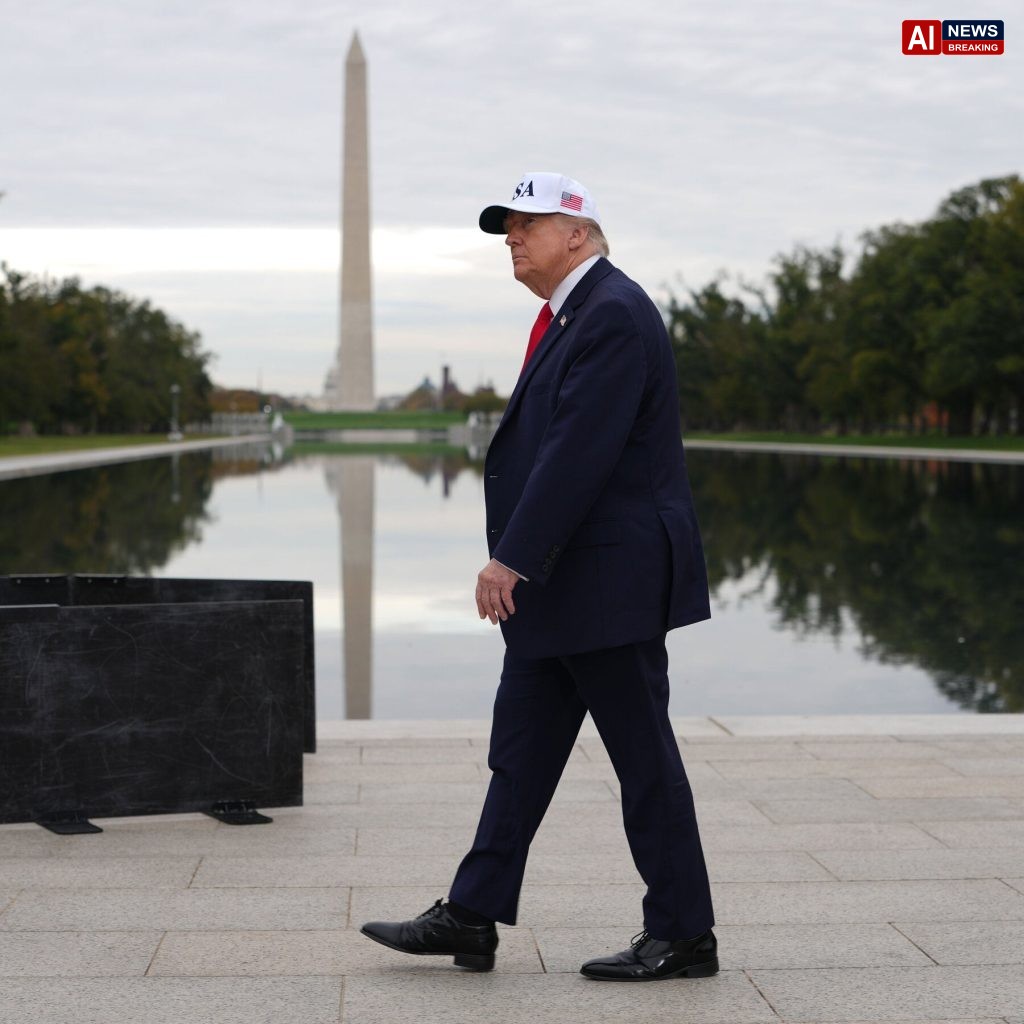
No Good Choices on Iran - AI News Breaking
good choices iran:
In recent weeks the United States has found itself at a crossroads as the conflict in the Middle East drags on. Washington’s approach to Iran, a key player in the regional dynamics, has become the focus of intense debate among senior officials. The situation is complex: a war that began over a disputed border is now a proxy theatre involving several regional actors, and any misstep could trigger a wider escalation..
Within the administration, senior aides have been locked in a strategic dispute, weighing options ranging from heightened military pressure to diplomatic outreach.At the heart of the debate is the question of whether to intensify military action against Tehran’s proxy forces. Some advisers argue that a robust, targeted campaign would demonstrate American resolve, disrupt Iranian influence in the region, and potentially break the current stalemate. They point to recent incidents where Iranian-backed militias have carried out attacks on coalition forces, arguing that a swift response would deter future aggression..
However, others caution that an escalation could spill over into broader hostilities, risking civilian casualties and a hardening of Iranian positions. They note that the Iranian military has already suffered losses in the conflict, and a further blow might provoke retaliatory strikes on U.S. interests.A second faction within the administration champions a more measured strategy, focusing on precise, narrow strikes against key military facilities..
Proponents of this approach argue that precision can minimize civilian harm while still degrading Iran’s operational capabilities. They stress the importance of intelligence gathering and real‑time surveillance to ensure strikes hit only legitimate targets. Moreover, they believe that such an approach could preserve the possibility of diplomatic negotiations by avoiding the appearance of a full‑scale war..
Critics of this strategy, however, warn that a limited campaign could be seen as weak, potentially emboldening Iranian forces to continue their operations and undermining the credibility of U.S. commitments to allies in the region.Amid these military considerations, a third group has been advocating for a diplomatic solution. They point to the historic success of the 2015 nuclear deal, known formally as the Joint Comprehensive Plan of Action, and suggest that a renewed engagement could reduce tensions..
This camp argues that the United States still has leverage with Iran’s leadership and that a carefully negotiated framework could address the core security concerns of both sides. They also highlight the benefits of a diplomatic path for the broader regional community, including the potential for easing economic sanctions that have strained relationships with neighboring countries. Detractors of this route argue that Iran’s current leadership has shown little willingness to return to previous agreements and that any diplomatic overtures could be perceived as a sign of weakness by adversarial actors in the region.The administration’s deliberations reflect a broader challenge: balancing deterrence with de‑escalation in a volatile environment..
has a long history of engaging in Middle Eastern conflicts, and the lessons learned from past engagements inform the current decision‑making process. Recent military actions in Yemen and Syria, for example, illustrate both the potential benefits of targeted strikes and the risks of unintended consequences. Consequently, the decision makers are scrutinizing each option not only for its tactical advantages but also for its long‑term implications on regional stability and U.S..
foreign policy credibility.The stakes are high for U.S. allies in the region, many of whom rely on American security guarantees to counter Iranian influence. Saudi Arabia, the United Arab Emirates, and Israel have all expressed concern over the ongoing conflict, and their support is critical to any U.S..
These allies are watching closely, as they must assess whether the U.S. will stand firm against Iran’s proxy networks or whether a more restrained approach would leave them vulnerable to future aggression. The administration’s decision will therefore reverberate far beyond the immediate theater of conflict, shaping the strategic environment for years to come.Within the administration, senior aides have taken differing stances, resulting in a series of internal meetings and private briefings..
The President’s policy advisers, the National Security Council, and the Department of Defense have all contributed to a complex web of recommendations. The President himself has sought counsel from a range of sources, including former generals and diplomats, to ensure that all perspectives are considered. While no single approach has emerged as the clear winner, the administration has acknowledged the need for a unified strategy that can be communicated to both domestic audiences and international partners.Public statements from the White House have emphasized the importance of protecting American interests and ensuring the safety of U.S..
The administration has reiterated its commitment to a “principled approach” that balances deterrence with restraint. At the same time, officials have stressed the necessity of maintaining a credible deterrent against Iran’s regional ambitions. These statements reflect an attempt to convey confidence while acknowledging the complexity of the situation.The international community remains closely engaged in the unfolding events..
European allies, in particular, have urged for a cautious approach that prioritizes diplomatic engagement and regional cooperation. The European Union’s foreign policy officials have called for renewed dialogue and urged the U.S. to support efforts to address the root causes of the conflict..
Meanwhile, Russia and China have expressed support for a diplomatic resolution, citing the need for stability in the region. Their positions add another layer of complexity to the decision‑making process, as the United States must consider not only the immediate tactical implications but also the broader geopolitical landscape.In conclusion, the United States is navigating a delicate path as it confronts the ongoing conflict involving Iran and its allies. The administration’s internal debate reflects the intricate balance between military force and diplomatic negotiation, each with its own risks and potential rewards..
As the decision‑making process continues, the outcome will shape the trajectory of U.S. policy in the Middle East and the broader international order. The world watches as Washington seeks a solution that protects its interests, upholds its commitments to allies, and ultimately contributes to lasting peace and stability in a region marked by deep-seated tensions..
Washington’s split between hard‑line strikes and diplomatic outreach signals a strategic gamble: push hard to blunt Iran’s reach, or risk being seen as weak and leaving allies exposed. Either choice will reshape U.S. credibility and could either calm or inflame a region already teetering on the







